
 By
By Everything You Need to Know About America's Most Popular Roofing Material
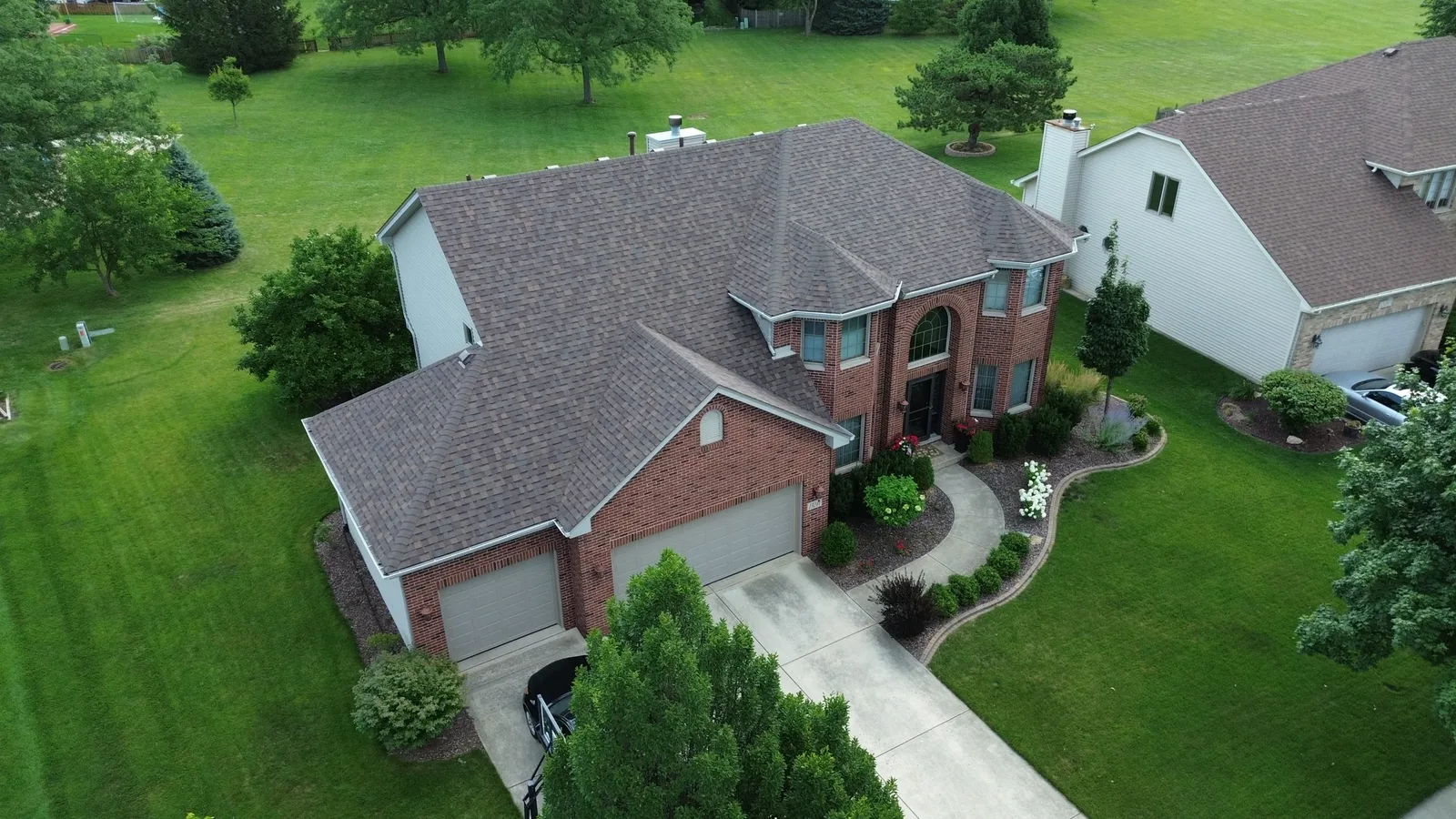
Asphalt roofing shingles protect millions of homes across North America, making them the most commonly installed residential roofing material. Chances are, if you look around your neighborhood, most of the roofs you see are covered with asphalt shingles.
Their popularity isn't accidental. Asphalt shingles offer an excellent combination of durability, affordability, design flexibility, and proven performance in a wide range of climates. From freezing Minnesota winters and Colorado hailstorms to humid Illinois summers, modern asphalt shingles are engineered to withstand years of changing weather while protecting one of your home's biggest investments.
Despite seeing them every day, most homeowners know surprisingly little about how asphalt shingles actually work. Questions like "What are shingles made of?", "Why do they lose granules?", or "What's the difference between architectural and designer shingles?" are incredibly common, especially when it's time to replace a roof.
This guide explains how asphalt shingles are built, how they protect your home, what makes one shingle different from another, and what you should know before investing in a new roof. Whether your roof is five years old or twenty-five, understanding how your roofing system works can help you make better maintenance and replacement decisions.
💡 Weatherguard Expert Insight
A roof isn't just shingles. Your roof is a complete system made up of underlayment, flashing, ventilation, drip edge, fasteners, and shingles. Even the best shingles can't perform properly if the rest of the roofing system isn't installed correctly
What Are Asphalt Roofing Shingles?
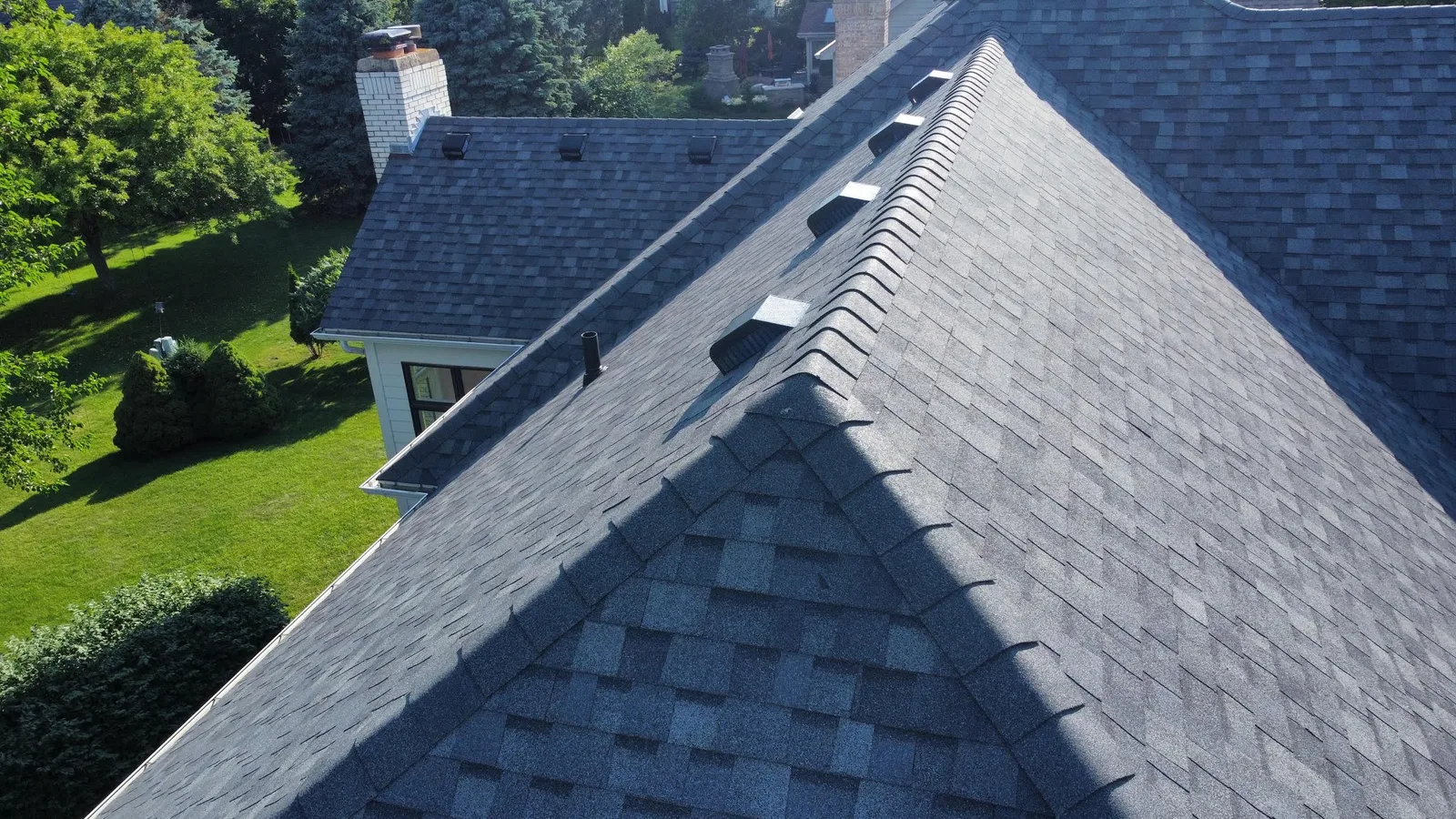
Asphalt shingles are individual roofing materials installed in overlapping rows to create a water-shedding surface across your roof. Rather than creating a completely waterproof barrier, they rely on overlapping layers and gravity to direct rainwater safely into the gutter system.
Modern asphalt shingles are engineered products made from multiple layers of fiberglass, asphalt, adhesives, and ceramic-coated mineral granules. Each layer serves a specific purpose, from providing structural strength to protecting against UV rays and improving wind resistance.
Manufacturers produce asphalt shingles in a wide variety of colors, profiles, and performance levels, making them suitable for nearly every home style and climate.
Anatomy of an Asphalt Roofing Shingle
While every manufacturer has its own proprietary technologies, most modern architectural asphalt shingles share the same basic construction. For this example, we're using an Owens Corning® TruDefinition® Duration® architectural shingle because it's one of the roofing systems Weatherguard installs and we're proud to be an Owens Corning Platinum Preferred Contractor.
Rather than focusing on every layer inside the shingle, homeowners benefit most from understanding the two technologies that help set Owens Corning Duration shingles apart: TruDefinition® Granule Technology and SureNail® Technology.
TruDefinition® Granule Technology
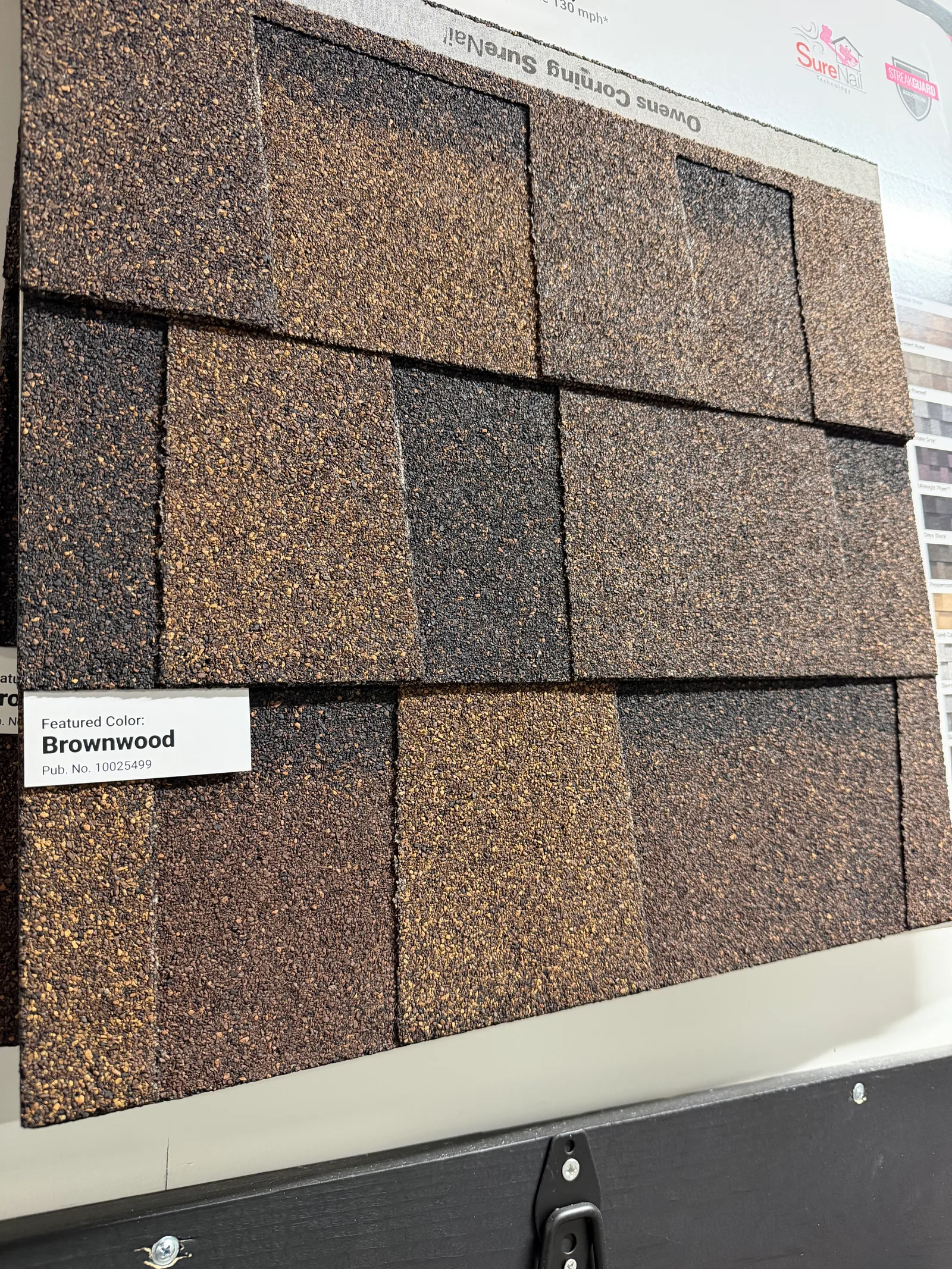
One of the first things homeowners notice about a roof is its color. Owens Corning's TruDefinition® Granule Technology uses a blend of vibrant, ceramic-coated granules to create greater color contrast and dimension than traditional roofing shingles.
These granules don't just enhance curb appeal—they also perform an important job by protecting the asphalt beneath from ultraviolet (UV) rays and everyday weather exposure. By shielding the asphalt from direct sunlight, they help the shingles maintain their appearance and long-term performance.
SureNail® Technology
One of the most important parts of every roof isn't something homeowners can see after installation.
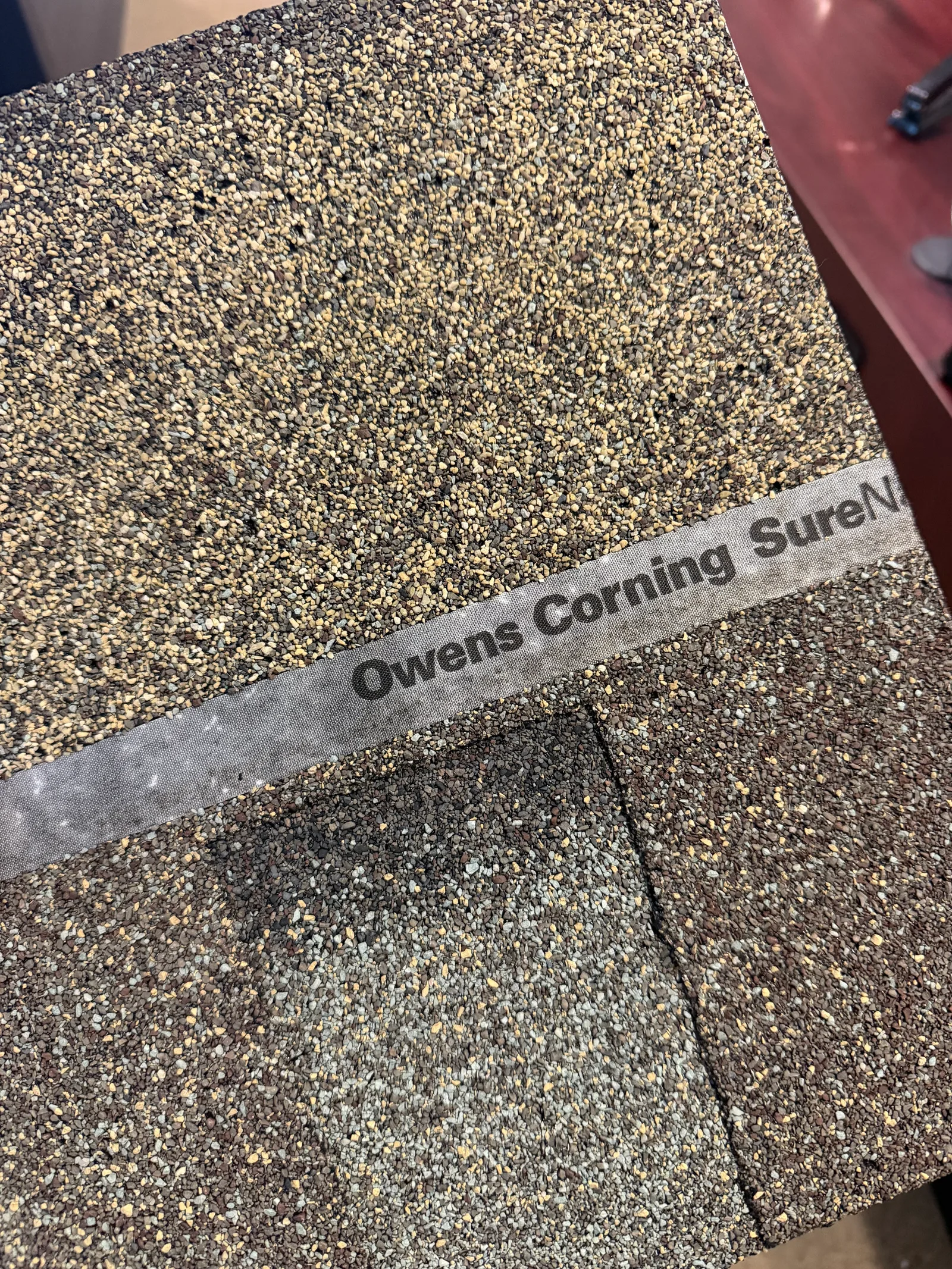
Owens Corning's SureNail® Technology is a reinforced nailing strip woven into the shingle that provides a highly visible fastening area for installers. This reinforced zone helps guide proper nail placement while adding strength where each shingle is secured to the roof.
When installed according to the manufacturer's specifications, this technology helps create a strong bond between the shingle and roof deck, contributing to the roof's overall wind performance.
💡 Weatherguard Expert Insight
There's a lot more engineering inside an asphalt shingle than we could cover in a single illustration. Rather than diving into every layer and manufacturing detail, we've highlighted two key Owens Corning technologies that homeowners are most likely to hear about during the roof replacement process.
Types of Asphalt Roofing Shingles
3-Tab Shingles
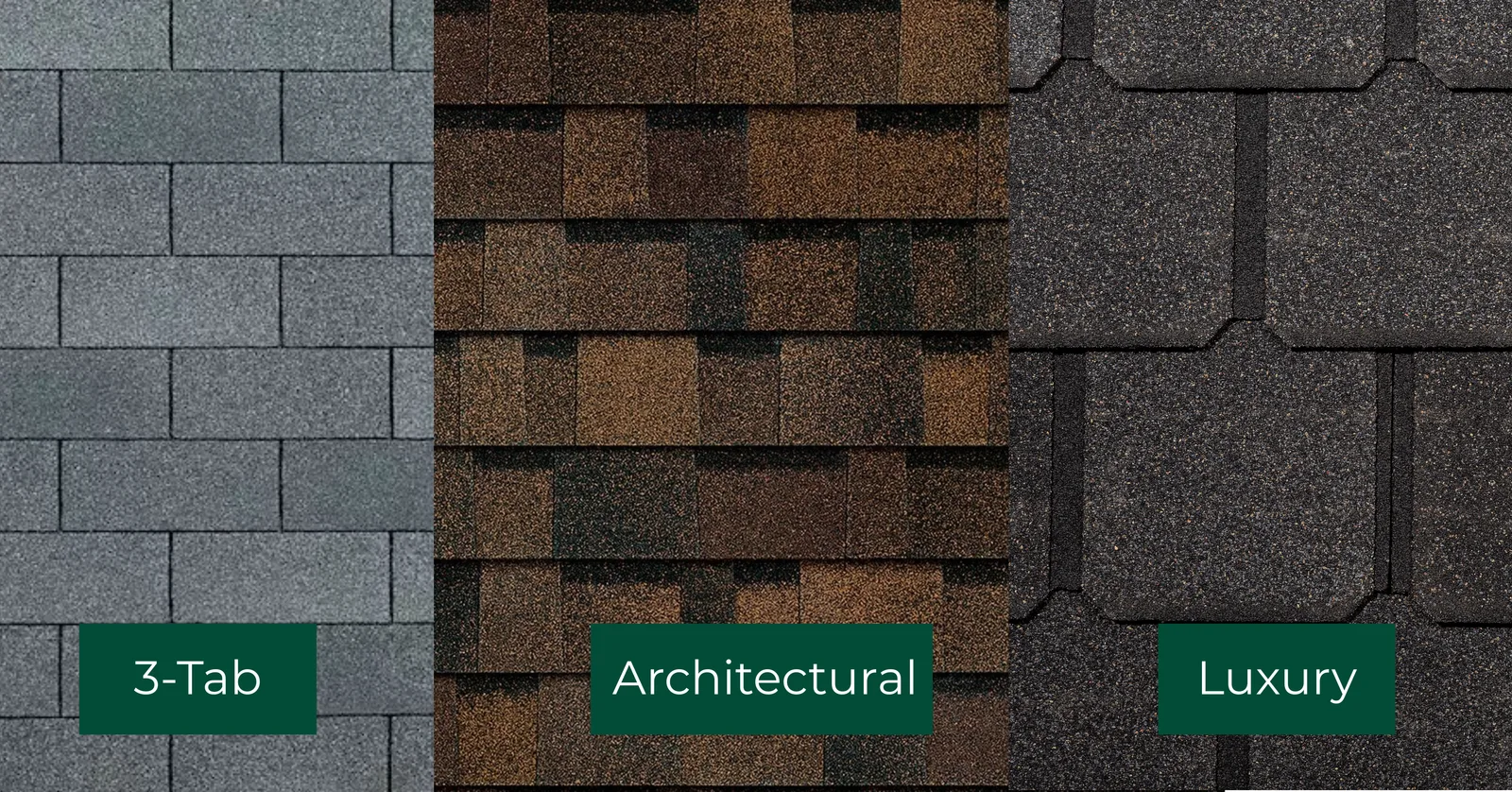
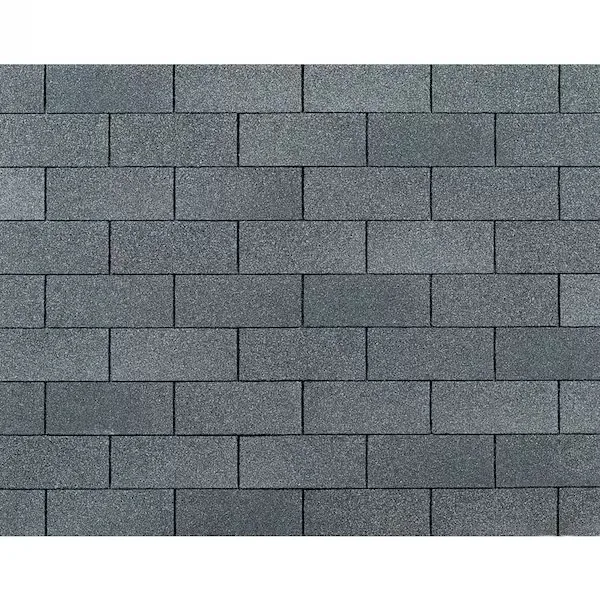
For many years, 3-tab shingles were the standard roofing material found on homes throughout North America. Today, they're much less common. While some manufacturers still produce them for budget-conscious projects and repairs, most new roof replacements use architectural shingles instead.
3-tab shingles are manufactured as a single layer with evenly spaced cutouts that create the appearance of three individual tabs. Their flat profile gives roofs a clean, uniform appearance but offers less dimension than newer architectural products.
Because they use less material, 3-tab shingles remain one of the most economical roofing options available. However, advances in manufacturing and changing homeowner preferences have made architectural shingles the industry standard for most residential applications.
Architectural Shingles
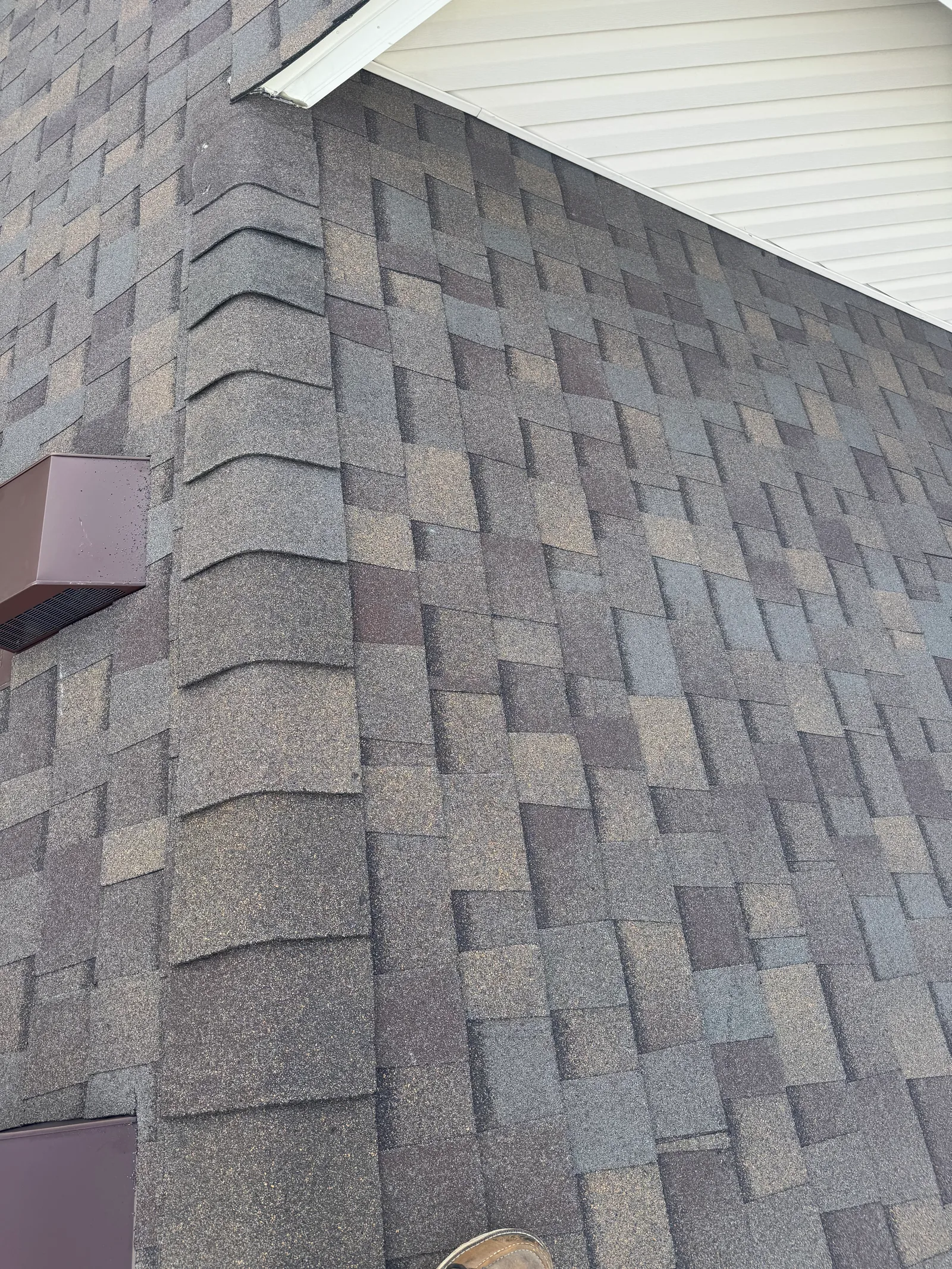
Architectural shingles, also called laminate or dimensional shingles, have become the standard choice for residential roof replacements—and for good reason.
Instead of a single layer, architectural shingles are built using multiple laminated layers of asphalt. This creates a thicker, more durable shingle with deeper shadow lines that give the roof greater texture and dimension. The result is a roof that looks more substantial and often complements a wider variety of home styles.
Beyond appearance, the additional material allows many architectural shingles to provide improved wind performance and enhanced durability compared to traditional 3-tab products. Combined with a wide selection of colors and styles, they offer an excellent balance of performance, curb appeal, and long-term value.
For these reasons, architectural shingles have become the roofing system most homeowners choose when replacing their roof.
💡 Weatherguard Expert Insight
Architectural shingles are the roofing system we install on the vast majority of homes. They provide an outstanding balance of appearance, durability, and value, making them an excellent choice for most homeowners.
Luxury (Designer) Shingles
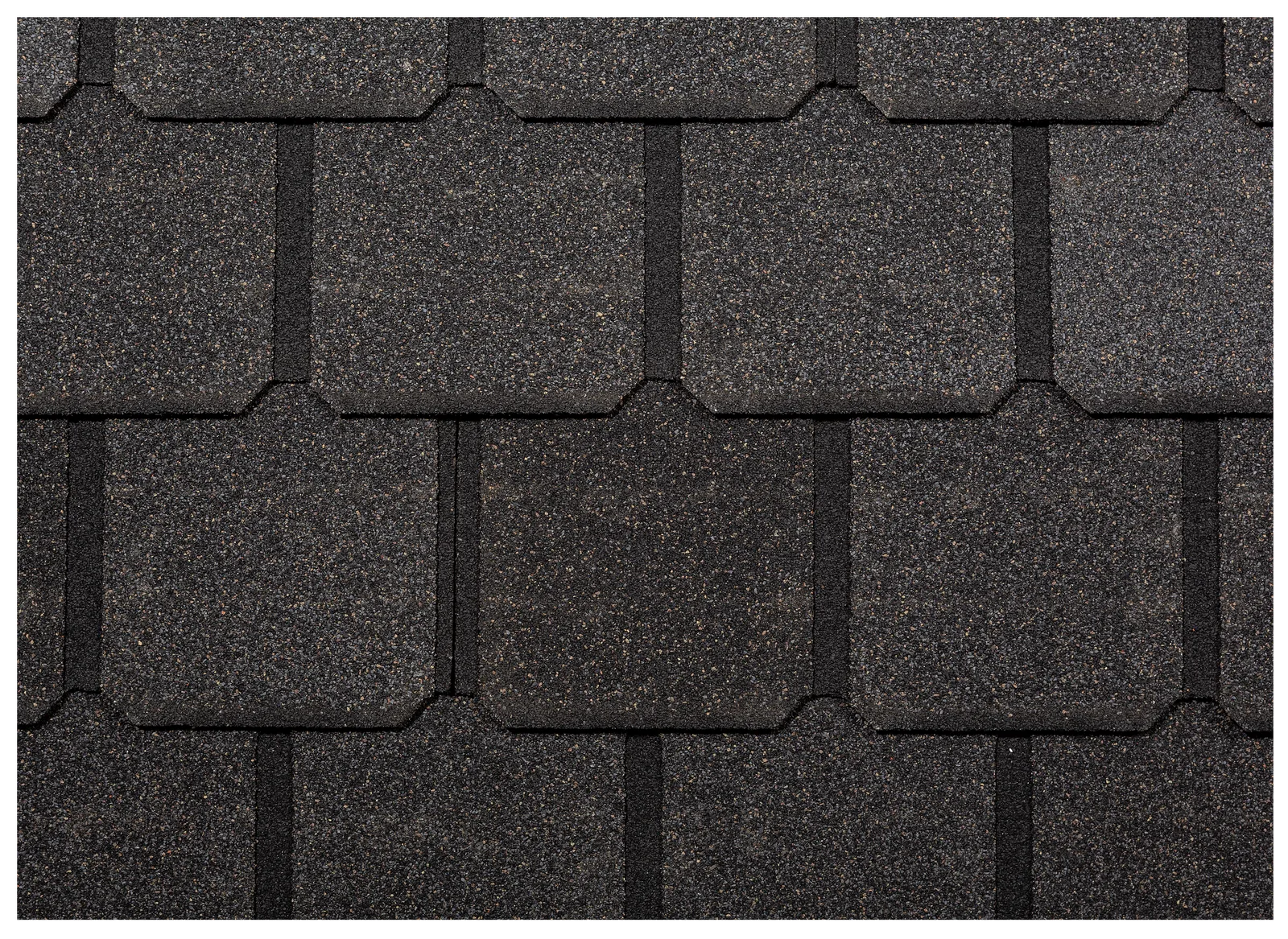
Luxury shingles represent the highest tier of asphalt roofing products. They're engineered to replicate the appearance of premium roofing materials such as natural slate or hand-split cedar shake while offering the installation advantages and lower maintenance of asphalt.
Compared to architectural shingles, luxury shingles feature thicker construction, deeper shadow lines, and more dramatic profiles that create a distinctive, high-end appearance. Many homeowners choose these products to complement custom homes or achieve the timeless look of slate or cedar without the added weight or maintenance.
It's worth noting that "designer" can mean different things depending on the manufacturer. For example, Owens Corning TruDefinition® Duration Designer Colors® uses the same architectural shingle profile as the standard Duration® line but offers a curated collection of premium color blends for homeowners who want a more distinctive look.
It's worth noting that "designer" can mean different things depending on the manufacturer. For example, Owens Corning TruDefinition® Duration Designer Colors® uses the same architectural shingle profile as the standard Duration® line but offers a curated collection of premium color blends for homeowners who want a more distinctive look.
Maintaining Your Asphalt Shingle Roof
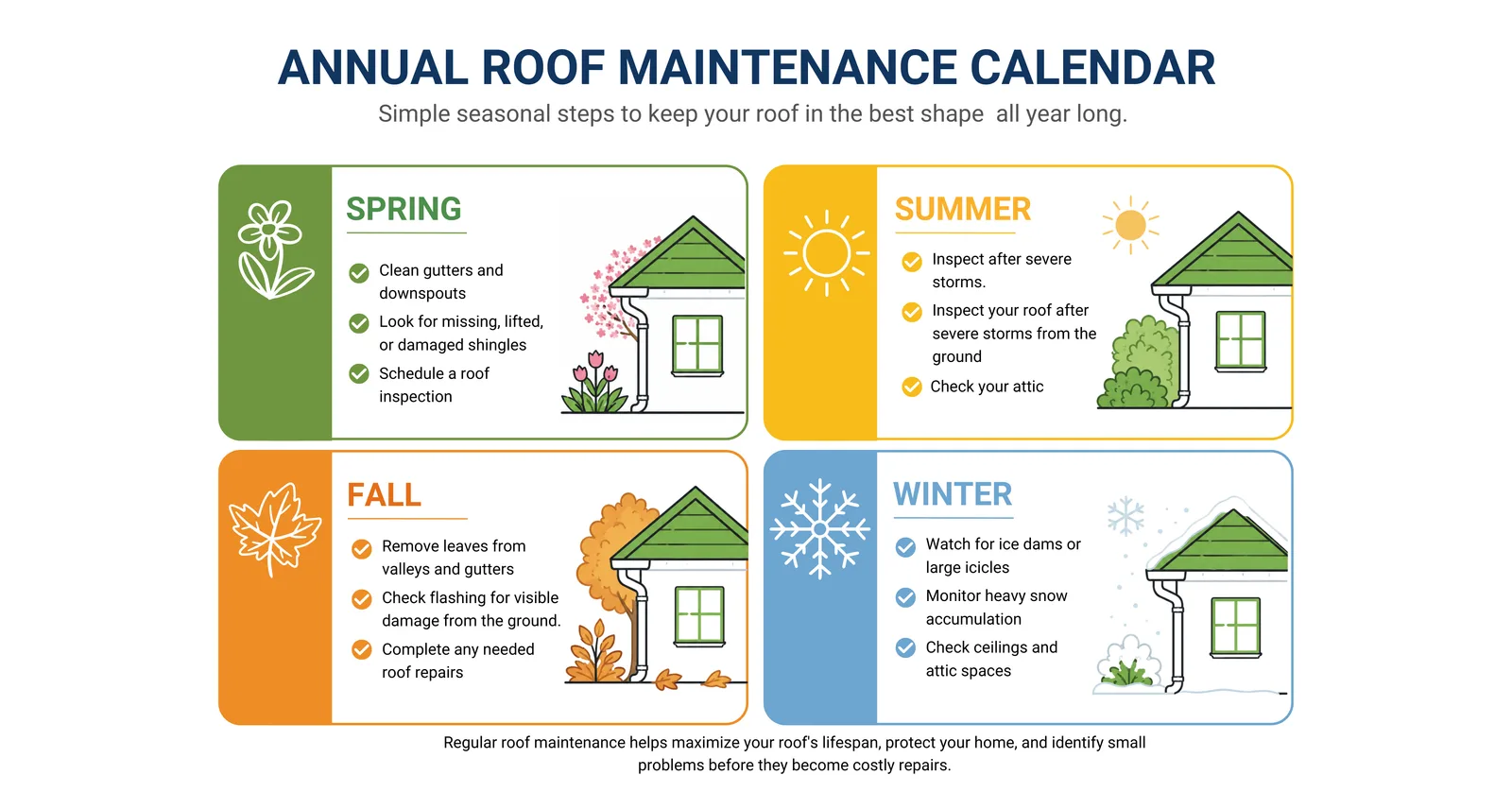
One of the greatest advantages of asphalt roofing shingles is that they require relatively little maintenance. Unlike some roofing materials, shingles don't need regular treatments or specialized cleaning products to perform well. However, that doesn't mean they should be ignored.
A few simple inspections each year can help identify small problems before they become costly repairs. Missing shingles, damaged flashing, clogged gutters, or loose sealants are all easier and less expensive to address when caught early.
Homeowners should make it a habit to inspect their roof each spring and fall, as well as after major storms. Most inspections can be performed safely from the ground using binoculars. If you notice anything unusual, it's best to schedule a professional inspection rather than attempting to walk on the roof yourself.
Final Thoughts
Asphalt roofing shingles have protected homes for generations because they combine dependable performance with versatility and long-term value. While they may appear simple from the ground, each shingle is a carefully engineered product designed to resist water, wind, sunlight, and changing weather conditions year after year.
Understanding how shingles are manufactured, the differences between available styles, and the factors that influence their performance can help homeowners make more confident decisions when it's time to repair or replace a roof.
More importantly, remember that shingles are only one part of a complete roofing system. Proper underlayment, flashing, ventilation, fastener placement, and workmanship all play essential roles in protecting your home.
Whether your roof is approaching the end of its life or you're simply learning more about the materials protecting your home, investing a little time in understanding your roofing system today can help you make better decisions for years to come.
Need Help Choosing the Right Asphalt Shingles?
Every home is different, and the right roofing system depends on your home's design, local climate, budget, and long-term goals. At Weatherguard Construction, we help homeowners compare roofing products, understand their options, and choose systems designed for lasting performance.
If you're considering a roof replacement or would simply like a professional assessment of your current roof, our team is happy to answer your questions and provide an honest evaluation.