

Roof hail damage can be easy to miss. A storm may leave obvious dents in metal while the more important shingle damage appears as scattered dark marks, missing granules, or small cracks. This visual guide shows what hail damage looks like, what you can check safely from the ground, and what to do when the evidence is uncertain.
Safety first: Do not climb onto a wet, steep, or storm-damaged roof. Use ground-level observations, photos taken with zoom, and a trained roof inspector for close-up evaluation.
Start With the Storm Evidence
Hail size, wind, roof age, shingle type, and the angle of impact all affect what a storm leaves behind. Large hail raises concern, but hail size alone does not prove that a roof needs repair or replacement. Start by recording the date and approximate time of the storm, then photograph any hailstones next to a familiar object before they melt.
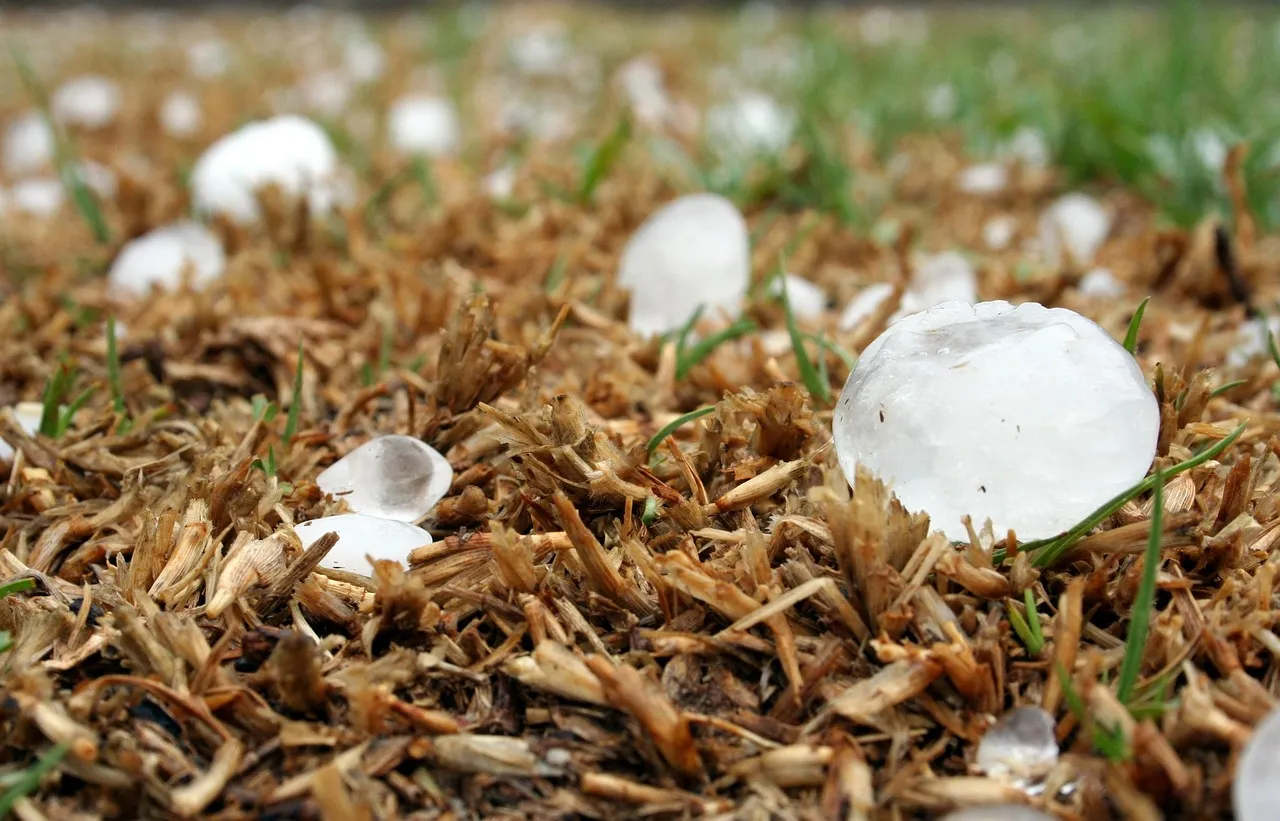
You can also use Weatherguard's hail impact checker to look for recorded storm activity near an address. A storm report is supporting context, not a diagnosis of a specific roof.
What Hail Damage Looks Like on Asphalt Shingles
Hail damage usually appears in a random pattern because stones vary in size and strike from shifting directions. Normal aging is typically more uniform. On an asphalt-shingle roof, a trained inspector looks for several signs together rather than relying on one isolated mark.
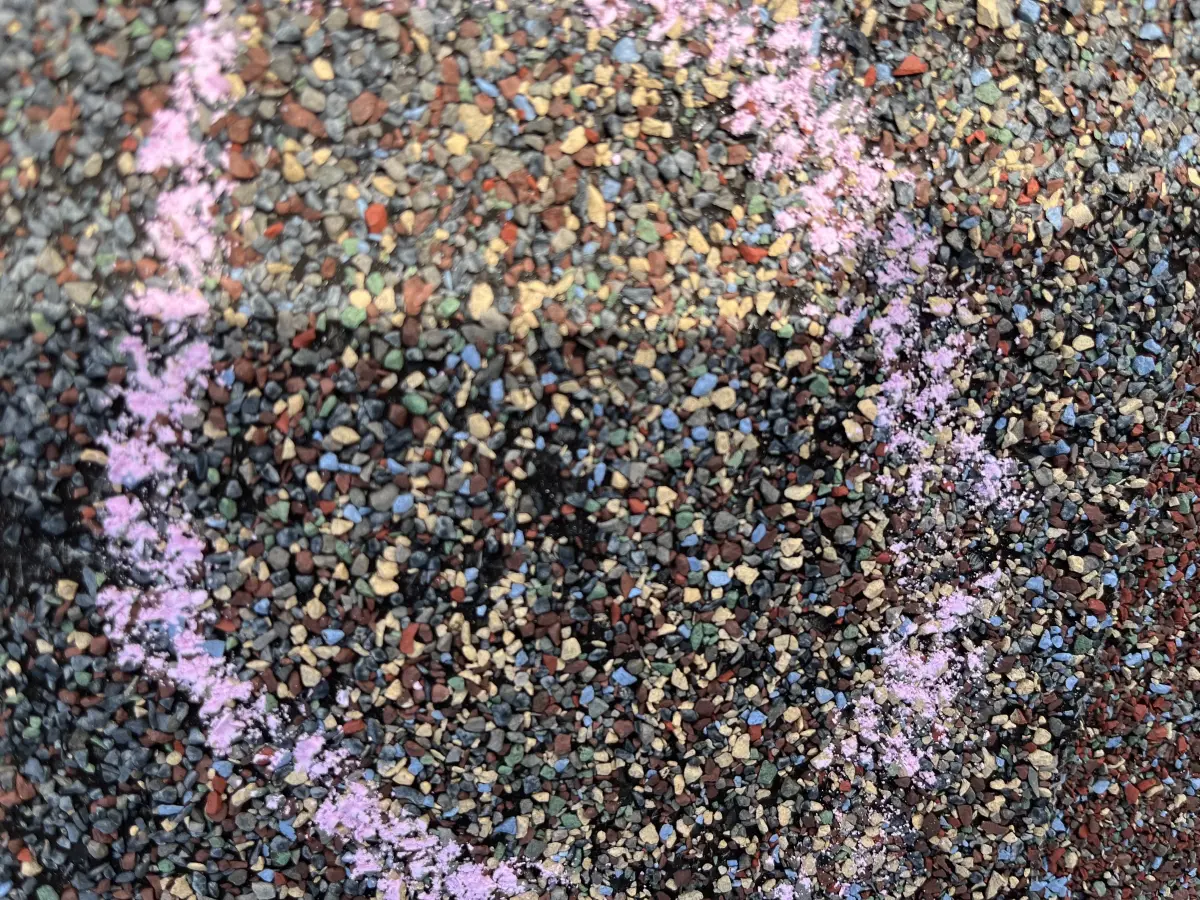
1. Localized granule loss
A fresh hail impact may knock protective granules away and expose darker asphalt underneath. The mark may be round, irregular, or slightly shiny. Granules also loosen through age, foot traffic, and normal weathering, so a dark spot by itself is not conclusive.
2. Bruising or a fractured shingle mat
A hard impact can damage the asphalt or fiberglass mat below the surface even when the shingle is not punctured. A trained inspector may find that the area feels different from the surrounding shingle. Homeowners should not walk the roof or press on shingles themselves; doing so can create damage and adds fall risk.
3. Cracks, splits, or punctures
Larger or wind-driven hail can crack an older or more brittle shingle. Look for a break associated with a fresh impact rather than a long, weathered crack. Tears at edges and tabs can also come from wind or mechanical contact, which is why the full pattern matters.
4. Random impacts across more than one roof component
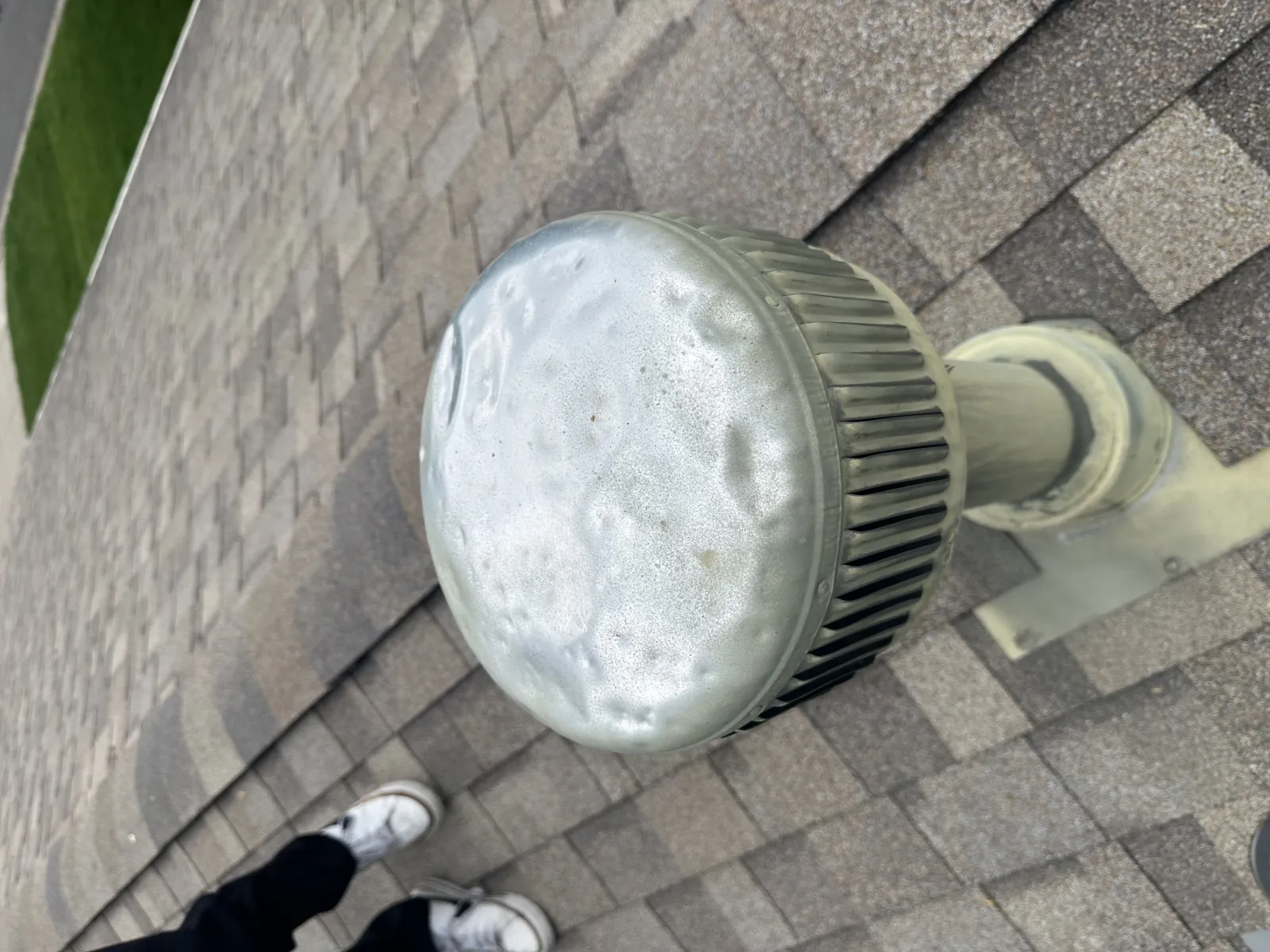
Suspected shingle marks are more persuasive when the same storm direction left fresh dents on roof vents, flashing, gutters, or other soft metal. Metal damage confirms that hail struck the exterior, but it does not automatically establish the condition of every shingle.
Ground-Level Signs You Can Check Safely
You do not need to get on the roof to collect useful evidence. Walk around the property only after downed branches, power lines, lightning, and standing water are no longer hazards. Photograph each side of the home and note which direction appears most affected.
- Gutters and downspouts: Look for fresh dents, chipped finish, or impact marks. Granules near downspout outlets can support a closer roof check, although some shedding is normal on aging or newly installed shingles.
- Window screens: Tears, stretched mesh, and fresh dents in frames can show the direction and intensity of the storm.
- Air-conditioning units: Bent fins or dents in the top guard may indicate hail impact. Do not open or handle the equipment.
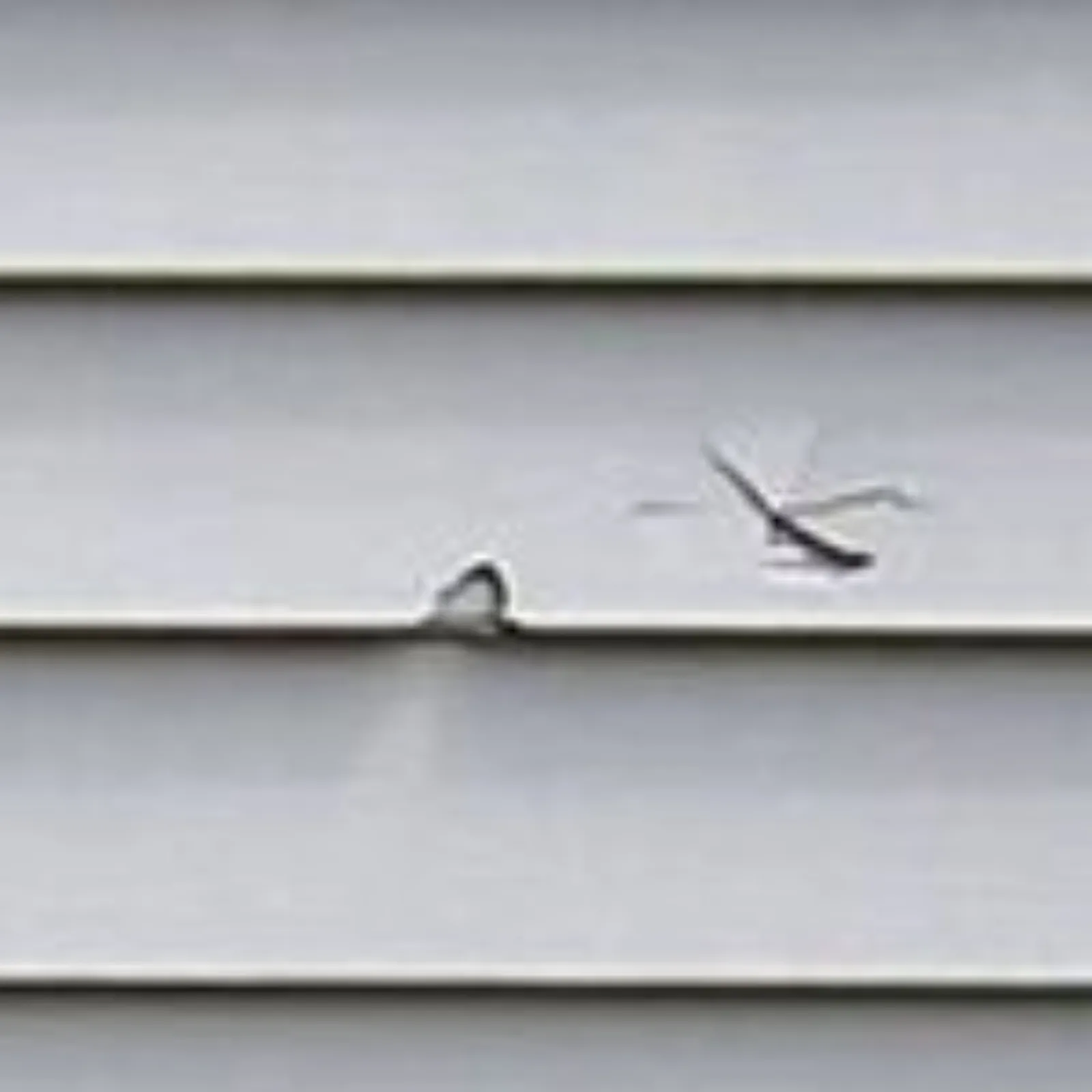
- Siding: Vinyl may crack or puncture; engineered wood and fiber cement may chip; metal siding may dent.
- Deck railings and outdoor furniture: Fresh marks on exposed horizontal surfaces can provide additional storm evidence.
- Inside the home: Check attics and ceilings for new water stains, damp insulation, or active dripping. Keep clear of wet electrical fixtures.
Hail Damage Versus Normal Wear
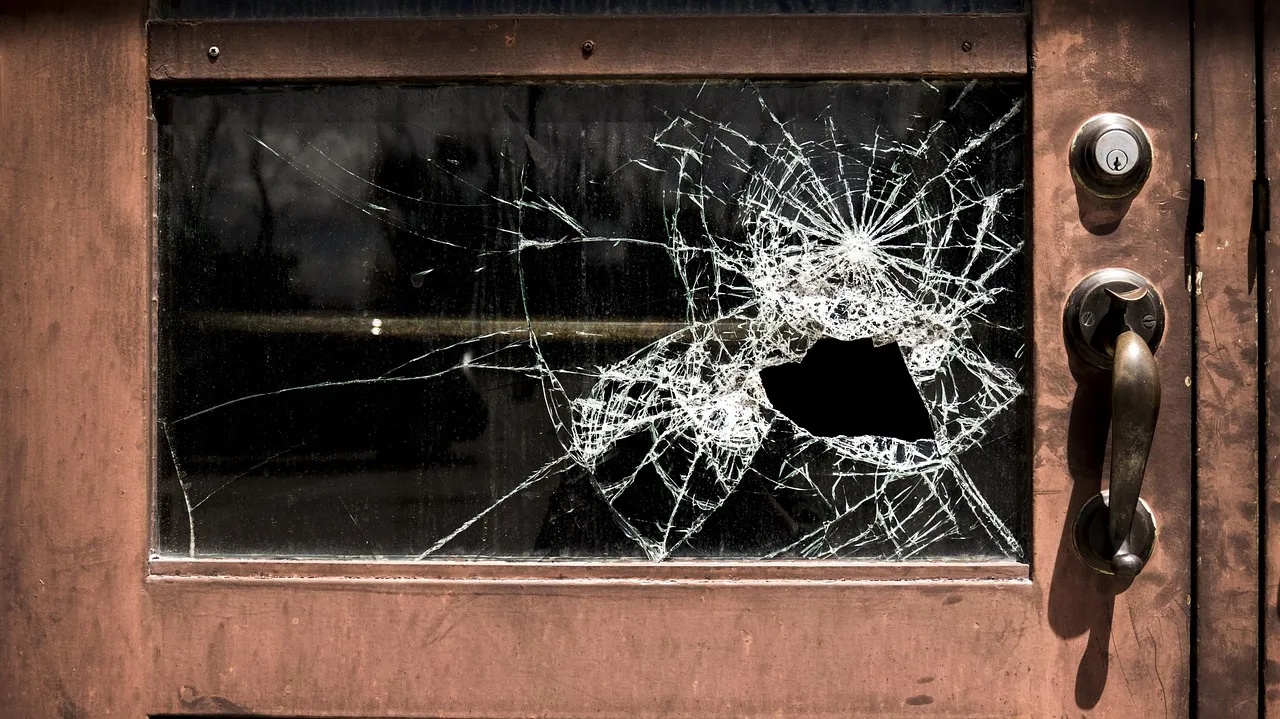
Not every dark spot or missing granule came from hail. Blisters may open from below the shingle surface. Foot traffic often follows a line or appears near service areas. Manufacturing patterns and long-term weathering tend to repeat more evenly. Tree contact can leave scraping or directional tears.
A sound inspection compares all roof slopes, soft-metal components, collateral damage, and the age of each mark. That is why a few distant photos or a neighbor's repair decision cannot determine the condition of your roof.
When to Call a Professional
Request a roof inspection when any of the following is true:
- You see new leaks, ceiling stains, or moisture after the storm.
- Ground-level checks show fresh dents, broken siding, torn screens, or concentrated granules.
- Recorded hail activity occurred near the property and you cannot safely verify the roof condition.
- The roof is older, already worn, or was recently affected by another storm.
- You need clear photographs and a written explanation of what was found.
A useful inspection should distinguish observed damage from normal wear, document the location of each finding, and explain whether maintenance, repair, monitoring, or replacement is recommended. The contractor can document construction conditions; the property owner and insurance company handle policy and coverage decisions.
What to Do After You Find Possible Hail Damage
- Protect people and the interior first. If water is entering, move belongings when safe and use a qualified professional for temporary protection. Do not perform emergency roof work during an active storm.
- Document conditions. Save dated photos of the yard, exterior, visible damage, and interior moisture. Keep receipts for reasonable emergency work.
- Arrange a professional inspection. Ask for photos, the areas inspected, and a plain-language summary. You can also use the photo damage checker as an initial screening tool, not a replacement for an on-site inspection.
- Review your own policy. Coverage, deductibles, deadlines, and required steps vary. Contact your insurer or licensed insurance professional for policy-specific guidance.
- Compare the repair scope. Make sure any proposal identifies the affected materials and separates storm damage from maintenance or unrelated wear.
For a deeper explanation of documentation and policy conversations, read the storm damage insurance claims guide. It covers the process without assuming that a particular condition is covered.
Schedule a Roof Inspection
If a recent storm affected your property, Weatherguard can inspect the roof and exterior, photograph the findings, and explain practical next steps. Book an inspection or call (651) 439-4320. An inspection documents the condition of the property; it does not determine insurance coverage.


