 By
By A roofing quote is more than a number at the bottom of a page. It is a description of the roofing system you are agreeing to purchase, the work the contractor intends to perform, and the responsibilities each party accepts.
Two contractors can inspect the same home and submit prices that are thousands of dollars apart. That does not automatically mean the higher contractor is overpriced or the lower contractor is offering a bargain. One proposal may include full tear-off, new flashing, ventilation improvements, permits, disposal, site protection, and a clearly defined warranty. Another may simply list “new architectural shingles” and leave important details unanswered.
The Federal Trade Commission recommends obtaining multiple written estimates and says an estimate should identify the work, materials, expected completion date, and price. It also advises homeowners not to automatically choose the lowest bidder when estimates differ significantly.
This guide explains how to compare roofing quotes line by line, recognize what may be missing, understand why prices differ, and ask better questions before signing a contract.
Quick Takeaways
A detailed roofing quote should clearly answer five questions:
What exact roofing system is being installed?
What work is included—and what is excluded?
How will hidden damage or changes be priced?
What warranties will the homeowner receive?
What is required before, during, and after construction?
If one proposal answers those questions and another does not, the two prices are not yet comparable.
💡 Weatherguard Expert Insight
The lowest total is not always the lowest final cost. A proposal that excludes permits, decking repairs, flashing, ventilation work, disposal, or other necessary items may appear less expensive initially but increase once construction begin.
Roofing Estimate, Quote, Proposal, or Contract: What Is the Difference?
Roofing companies use terms such as estimate, quote, proposal, and contract differently. The title at the top of the document matters less than what the document actually says.
An estimate is generally an anticipated cost based on the contractor’s inspection and known conditions. It may change if concealed damage or additional work is discovered.
A proposal usually combines pricing with a more detailed description of materials, scope, project conditions, and payment terms.
A contract is the agreement accepted by the homeowner and contractor. Once signed, it should clearly define the work, price, responsibilities, warranties, and process for approved changes.
Before signing, confirm whether the document is:
A preliminary estimate
A fixed-price proposal
A proposal with allowances or unit pricing
A binding construction contract
Contract requirements vary by state, so homeowners should read the complete agreement and make sure every verbal promise appears in writing. The National Roofing Contractors Association recommends insisting on a written proposal with complete work specifications, anticipated dates, and payment procedures.
Begin With the Roof That Was Measured
Before comparing materials or warranties, make sure each contractor is pricing the same roof.
Roofing prices are influenced by more than the home’s square footage. The contractor must account for the actual roof surface, pitch, number of levels, valleys, hips, ridges, eaves, penetrations, access, existing roof layers, and material needed for cuts and installation.
A thorough estimate may be based on an aerial measurement report, drone inspection, field measurements, architectural drawings, or a combination of methods. The final proposal does not need to display every measurement, but the contractor should be able to explain how the roof was measured.
Important details include:
Total measured roof area
Number of existing roofing layers
Roof pitch and complexity
Number of stories
Valleys, hips, and ridges
Chimneys, skylights, and wall intersections
Low-slope or flat-roof sections
Access for material delivery and debris removal
Anticipated material waste
A small difference in measurement is not automatically a concern. Contractors may use different waste assumptions or installation methods. A large difference, however, deserves an explanation.
Compare the Scope—not Just the Shingle
The shingle is the most visible part of a roof, but it is only one component of the system. Owens Corning, for example, identifies underlayments, ice and water barriers, starter shingles, ventilation products, and hip-and-ridge shingles as separate roofing-system components.
A quote that says only “remove and replace shingles” leaves too much open to interpretation.
What a Detailed Roofing Quote Should Address
Scope Item | What the Quote Should Clarify |
|---|---|
Tear-off | Number of layers to be removed and disposed of |
Roof decking | Inspection process, included allowance, or unit price for replacement |
Ice and water barrier | Product and planned installation areas |
Underlayment | Exact product or product type |
Drip edge | Whether it is new, reused, and where it will be installed |
Starter shingles | Manufacturer-approved starter product or method |
Field shingles | Manufacturer, product line, style, and selected color |
Hip and ridge shingles | Matching purpose-made product or specified alternative |
Flashing | What will be replaced, reused, fabricated, or excluded |
Roof penetrations | Treatment of pipe boots, vents, skylights, and chimneys |
Ventilation | Existing conditions and proposed intake or exhaust changes |
Fasteners | General fastening method and compliance with product requirements |
Permits | Who obtains and pays for required permits |
Cleanup | Debris removal, disposal, and final property cleanup |
Warranty | Manufacturer and contractor workmanship coverage |
This table does not mean every proposal must be several pages long. It means the homeowner should not have to guess which roof is being purchased.
Exact Products Matters
The phrase “architectural shingles” identifies a category, not a specific product.
A useful roofing quote should name the manufacturer and product line. Ideally, it should also identify the selected color or explain when the final color will be chosen.
Instead of:
Install architectural shingles.
Look for language closer to:
Install Owens Corning® TruDefinition® Duration® architectural shingles in the homeowner’s selected available color.
The same principle applies to underlayment, ice and water barrier, starter shingles, ridge shingles, vents, pipe boots, and other important components. Product-specific language makes it easier to compare proposals and confirm what arrives at the jobsite.
Homeowners should also ask whether substitutions are allowed. If they are, the contract should explain under what circumstances a contractor may substitute a product and whether homeowner approval is required.
💡 Weatherguard Expert Insight
A recognizable shingle brand does not make two quotes equal. One contractor may be proposing a coordinated roofing system using manufacturer-specified components, while another may be combining products from several sources. That does not automatically make either system unacceptable, but the homeowner should know what is included and how it affects installation requirements and warranty options.
Tear-Off, Disposal, and Existing Roof Layers
A complete roof-replacement quote should state whether the existing roofing will be removed or whether the proposal assumes installation over an existing layer.
For a tear-off, the proposal should clarify:
How many existing layers are included
Whether underlayment will also be removed
How debris will be collected
Whether dumpster or disposal fees are included
What happens if additional concealed layers are found
Removing two layers requires more labor and disposal capacity than removing one. If a contractor prices one layer but discovers two after work begins, the contract should already explain how that change will be handled.
Disposal should not be treated as an afterthought. GAF advises that roofing estimates account for labor, materials, permits, dump fees, and taxes, where applicable.
Roof Decking and Hidden Damage
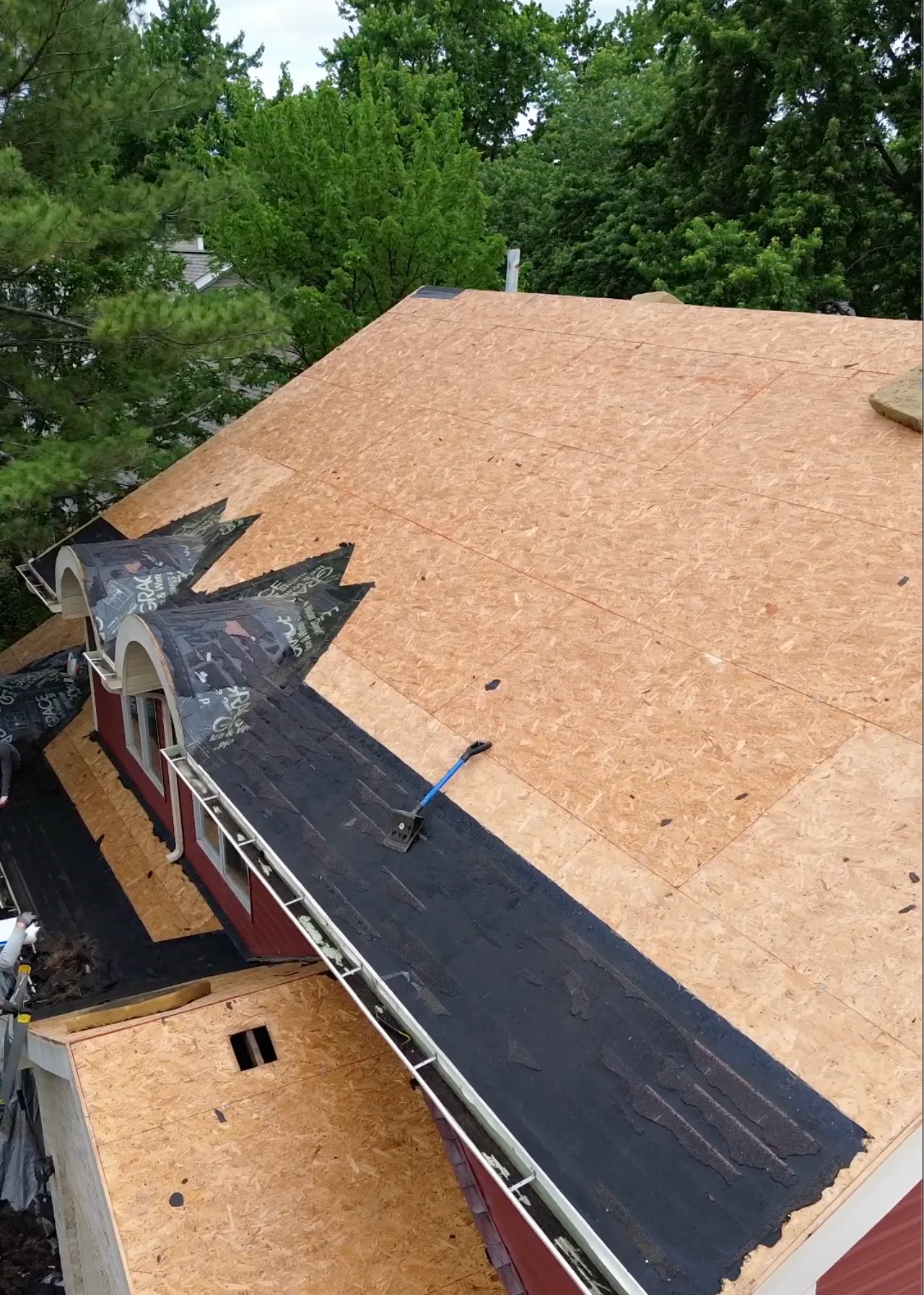
Roof decking is one of the most common reasons a final price can differ from an initial proposal.
Before tear-off, shingles and underlayment conceal much of the deck. Contractors may identify obvious soft areas from the attic or roof surface, but the full condition often cannot be confirmed until the existing materials are removed.
A well-written quote should explain:
Whether any decking replacement is included
How additional decking will be measured
The unit price per sheet, square foot, or board
Whether homeowner authorization is required
What photographic documentation will be provided
For example:
The proposal includes replacement of up to two sheets of deteriorated roof decking. Additional decking will be replaced only as needed at the stated per-sheet price and documented with photographs.
That is much clearer than:
Rotten wood is extra.
The goal is not to predict every concealed condition. It is to agree in advance on how those conditions will be documented, approved, and priced.
Flashing: Replace, Reuse, or Exclude?
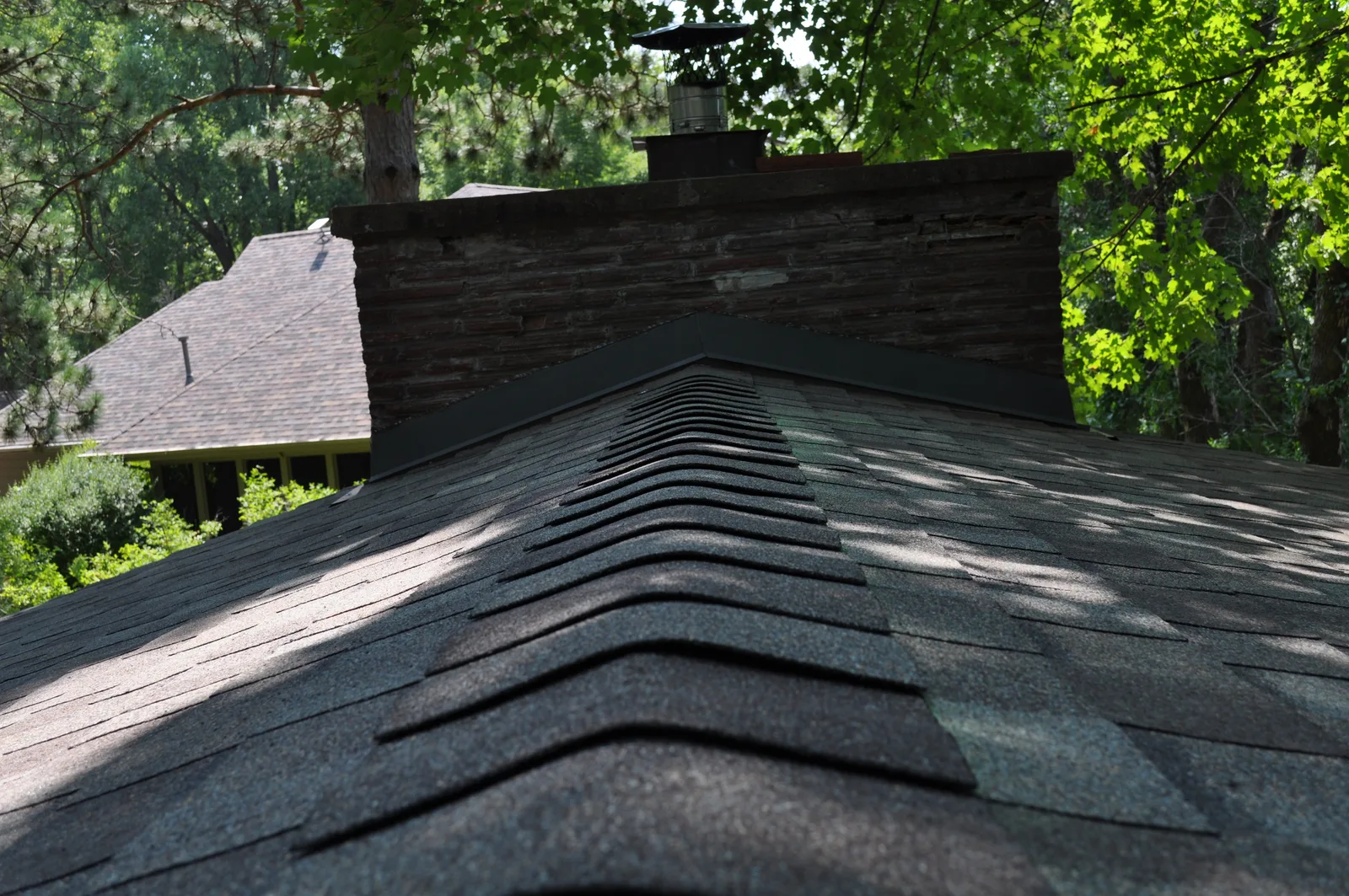
Flashing directs water away from vulnerable roof transitions. It is commonly found around chimneys, sidewalls, dormers, valleys, skylights, plumbing penetrations, and other areas where the roof changes direction or meets another surface.
“Flashing included” is not always specific enough.
Ask which flashing is being discussed:
Step flashing
Counterflashing
Apron flashing
Valley metal
Pipe boots
Skylight flashing
Kickout flashing
Wall or headwall flashing
Some flashing may be reusable when it is properly integrated, accessible, and in good condition. Other flashing may need to be replaced or custom fabricated. Certain details may involve siding, masonry, stucco, or trim work outside the roofing scope.
A detailed proposal should identify major flashing assumptions and clearly list exclusions. This is especially important around chimneys and roof-to-wall connections, where the visible metal may be only one part of the complete detail.
Ventilation Should Be a Plan, Not a Line Item
A proposal that lists “ridge vent” does not necessarily explain the ventilation system.
Attic ventilation generally depends on both intake and exhaust. Adding exhaust ventilation without evaluating intake may not solve the underlying problem. The contractor should inspect the current system and explain whether ventilation will remain unchanged, be modified, or require additional work.
The quote should address:
Existing intake ventilation
Existing exhaust ventilation
Proposed ridge vents or other exhaust products
Soffit conditions
Areas where framing or roof design affects airflow
Whether bathroom or kitchen exhaust is improperly terminating in the attic
Any ventilation work excluded from the roofing proposal
The contractor does not need to turn the quote into an engineering report, but the homeowner should understand whether ventilation has been evaluated and what changes are included.
💡 Weatherguard Expert Insight
A new roof does not automatically correct an existing ventilation problem. If the proposal changes the exhaust system, ask how the available intake was evaluated and whether soffit or attic work is also needed.
Low-Slope Areas and Specialty Details
Some homes contain sections that should not be treated like the main steep-slope roof.
Porches, additions, bay windows, crickets, dead valleys, and transitions may require different underlayments, membranes, flashing, or installation methods. If one quote includes a dedicated low-slope roofing system and another simply continues shingles across the area, the prices may differ for an important reason.
The proposal should identify:
Low-slope roof sections
Roofing material planned for those areas
Tie-in details
Drainage concerns
Existing problem areas
Work involving skylights, solar panels, satellite equipment, or roof-mounted accessories
A photograph or marked roof diagram can often explain this more clearly than several paragraphs of contract language.
Warranties: Three Questions, Not One
A roofing quote may use phrases such as “lifetime warranty,” “manufacturer warranty,” or “workmanship warranty.” Those phrases do not all mean the same thing.
Homeowners should separate warranty coverage into three questions.
1. What Does the Manufacturer Cover?
A standard manufacturer warranty generally addresses qualifying product defects, subject to its written terms, exclusions, and coverage periods.
2. Is an Enhanced Manufacturer Warranty Included?
Some manufacturers offer enhanced system warranties when eligible products are installed by qualifying contractors and other requirements are met. The quote should name the exact warranty—not simply say “enhanced” or “lifetime.”
3. What Workmanship Coverage Does the Contractor Provide?
A contractor workmanship warranty addresses qualifying installation-related issues under the contractor’s written terms. The duration, exclusions, transferability, and claims process should be stated clearly.
Owens Corning distinguishes among standard product coverage, extended roofing-system warranty options, and workmanship coverage, which is why homeowners should review the actual warranty name and documents rather than relying on a broad sales phrase.
Ask:
What is the exact warranty name?
Who issues it?
What components are included?
Is registration required?
Who completes the registration?
Is there a registration fee?
Is workmanship covered?
Is the warranty transferable?
What maintenance or documentation is required?
What conditions are excluded?
Permits, Code Requirements, and Inspections
A quote should state who is responsible for obtaining required permits and whether permit fees are included.
Permit requirements vary by municipality. The contractor should also identify known code-related work included in the proposal, such as required underlayment, roof-edge protection, ventilation changes, decking repairs, or other items discovered during inspection.
Avoid assuming that “installed to code” means every optional upgrade is included. Building code generally establishes minimum requirements; the specific products and details in the proposal determine the roofing system you are purchasing.
If a municipal inspection is required, ask:
Who schedules it?
Whether the homeowner must be present
How failed or additional inspection items are handled
When the permit will be closed
Property Protection, Cleanup, and Project Logistics
The finished roof is important, but so is what happens around the home while it is being installed.
A quote or supporting project agreement should explain how the contractor plans to manage:
Material delivery
Dumpsters or debris trailers
Driveway protection
Landscaping and plant protection
Siding, windows, decks, and air conditioners
Patio furniture and exterior decorations
Access to the home during construction
Nails and debris
Daily and final cleanup
Magnetic nail sweeps
Material left over after installation
Weather delays
Pets, gates, and occupied areas
Cleanup should be defined rather than assumed. GAF recommends that a detailed roofing estimate include tear-off, materials, labor, cleanup, and disposal.
Included Work, Allowances, Exclusions, and Options
Every quote should make four categories easy to distinguish.
Included Work
This is part of the stated price.
Allowances
An allowance reserves an amount for an item that cannot yet be fully determined. The proposal should explain how the final cost is reconciled if the actual amount is higher or lower.
Exclusions
These are items the contractor is not pricing or accepting responsibility for.
Optional Upgrades
These are selections the homeowner may add, such as upgraded shingles, enhanced warranties, new skylights, premium ventilation products, gutter replacement, or specialty accessories.
A transparent quote does not pretend every condition is known. It clearly separates what is confirmed from what remains uncertain.
Change Orders and Unexpected Work
A change order is a written modification to the original contract. It may be needed when concealed damage is discovered, the homeowner requests an upgrade, or the agreed scope changes.
Before signing, ask how change orders are handled.
A good process should identify:
What changed
Why it changed
The price increase or credit
Any effect on the schedule
Who must approve it
Whether work can proceed before written authorization
Verbal changes create confusion. Important additions, credits, and substitutions should be documented.
Payment Terms and Financing
The quote or contract should clearly state:
Required deposit
Progress-payment schedule
Final-payment timing
Accepted payment methods
Financing terms, if applicable
Fees or interest
Conditions for refunds or cancellation
How insurance or mortgage-company checks are handled
The FTC advises homeowners not to pay the full project amount upfront and to avoid signing documents with blank spaces. It also recommends verifying contractor licensing and insurance through the appropriate state or local authority.
Payment laws and deposit limits vary by state, so homeowners should confirm the requirements that apply where the property is located.
Comparing Insurance-Related Roofing Proposals
For a storm-damage project, the insurance company’s estimate and the contractor’s proposal serve different purposes.
The insurer’s document addresses the carrier’s assessment of covered damage and estimated claim cost. The contractor’s proposal should describe the construction work, products, and price required to complete the project.
The totals may differ because of:
Measurement differences
Missing or omitted components
Code-related items
Product selections
Labor or material pricing
Necessary supplements
Homeowner-requested upgrades
Non-covered work
Do not compare only the bottom-line numbers. Compare quantities and line items, and ask the contractor to separate insurance-related restoration from homeowner-elected improvements.
The homeowner remains responsible for understanding the policy, deductible, coverage decision, and any out-of-pocket amount.
Contractor Qualifications Belong in the Comparison
The proposal explains the roof. The contractor’s qualifications help explain who will install it and who will respond if a problem develops.
Before hiring, verify:
Required state or local licensing
General liability insurance
Workers’ compensation coverage where applicable
Business name and physical contact information
Manufacturer credentials
Who will supervise the project
Whether crews are employees or subcontractors
How quality control is documented
Who handles warranty service
Local references and completed projects
The FTC specifically advises homeowners to confirm licensing with the appropriate government authority and request proof of insurance.
Manufacturer credentials can also affect access to certain warranty options. Weatherguard Construction is currently listed by Owens Corning as a Platinum Preferred Contractor.
A Side-by-Side Roofing Quote Example
The following example is fictional and intended only to show why the lowest initial price may not represent the lowest comparable price.
Item | Quote A: $16,500 | Quote B: $19,200 |
Shingle | “Architectural shingle” | Exact manufacturer, line, and color |
Tear-off | One layer | All observed layers identified |
Underlayment | “Synthetic” | Exact product named |
Ice barrier | “As required” | Locations clearly stated |
Starter and ridge | Not identified | Purpose-made products listed |
Drip edge | Reuse existing | New drip edge included |
Flashing | Reuse where possible | Major flashing assumptions defined |
Ventilation | Ridge vent | Intake and exhaust plan described |
Decking | Additional cost | Unit price stated in advance |
Permit | Excluded | Included |
Disposal | Included | Included |
Site protection | Not stated | Protection and cleanup process stated |
Warranty | “Lifetime” | Exact manufacturer and workmanship warranties named |
Quote B is $2,700 higher, but Quote A does not yet provide enough information to determine whether it is truly less expensive. After adding new drip edge, permit fees, decking, flashing, ventilation corrections, and upgraded components, Quote A may remain lower, become comparable, or cost more. The homeowner cannot know until the scope is clarified.
💡 Weatherguard Expert Insight
The goal is not to make every contractor quote look identical. Contractors use different products, crews, processes, and warranty programs. The goal is to understand those differences well enough to make an informed decision.
Roofing Quote Red Flags
A single concern does not always mean a contractor is unqualified, but several together should prompt additional questions.
Watch for:
A one-line price with no written scope
No exact shingle manufacturer or product
Large sections of the proposal left blank
Verbal promises that do not appear in writing
No plan for decking or hidden damage
No explanation of flashing or ventilation
No permit responsibility
“Lifetime warranty” with no warranty name
Pressure to sign immediately
A request for full payment before work begins
No verifiable license or insurance
Cash-only or wire-transfer payment demands
No physical business information
Refusal to explain a major price difference
Clear answers matter more than polished sales materials.
Questions to Ask Before Accepting a Roofing Quote
Bring these questions to each contractor:
What exact shingle and roofing components are included?
How was my roof measured?
How many existing layers are included in tear-off?
What happens if additional layers are found?
How will deteriorated decking be documented and priced?
Which flashing will be replaced, reused, or excluded?
Has the intake and exhaust ventilation been evaluated?
Are low-slope areas receiving a different roofing material?
Are permits, taxes, delivery, disposal, and cleanup included?
What property-protection measures are included?
What exact manufacturer warranty will I receive?
What workmanship warranty does the contractor provide?
Who registers the warranty?
What could reasonably change the final price?
How are change orders approved?
What is the payment schedule?
Who will supervise the project?
Who should I contact if a concern develops after installation?
A contractor should be able to walk through the proposal line by line without pressure or defensiveness.
Final Thoughts
The best roofing quote is not necessarily the shortest, longest, highest, or lowest. It is the proposal that clearly explains what will be installed, how the work will be completed, what may change, and who is responsible for each part of the project.
When comparing estimates, begin with the scope. Confirm the exact products, roof-system components, flashing, ventilation, hidden-condition pricing, warranties, permits, cleanup, and payment terms. Once those details are aligned, the prices become much easier to evaluate.
A contractor who has prepared a thoughtful proposal should be willing to explain it. Homeowners should never feel embarrassed for asking what a line item means or why one quote differs from another. Those questions are part of making a confident decision about one of the most important systems protecting the home.
Need Help Reviewing Your Roofing Options?
Weatherguard Construction helps homeowners understand the complete roofing system—not simply select a shingle color. Our team can inspect your roof, explain the recommended scope, review product and warranty options, and prepare a proposal based on the needs of your home.
A roofing quote should leave you with fewer questions, not more.