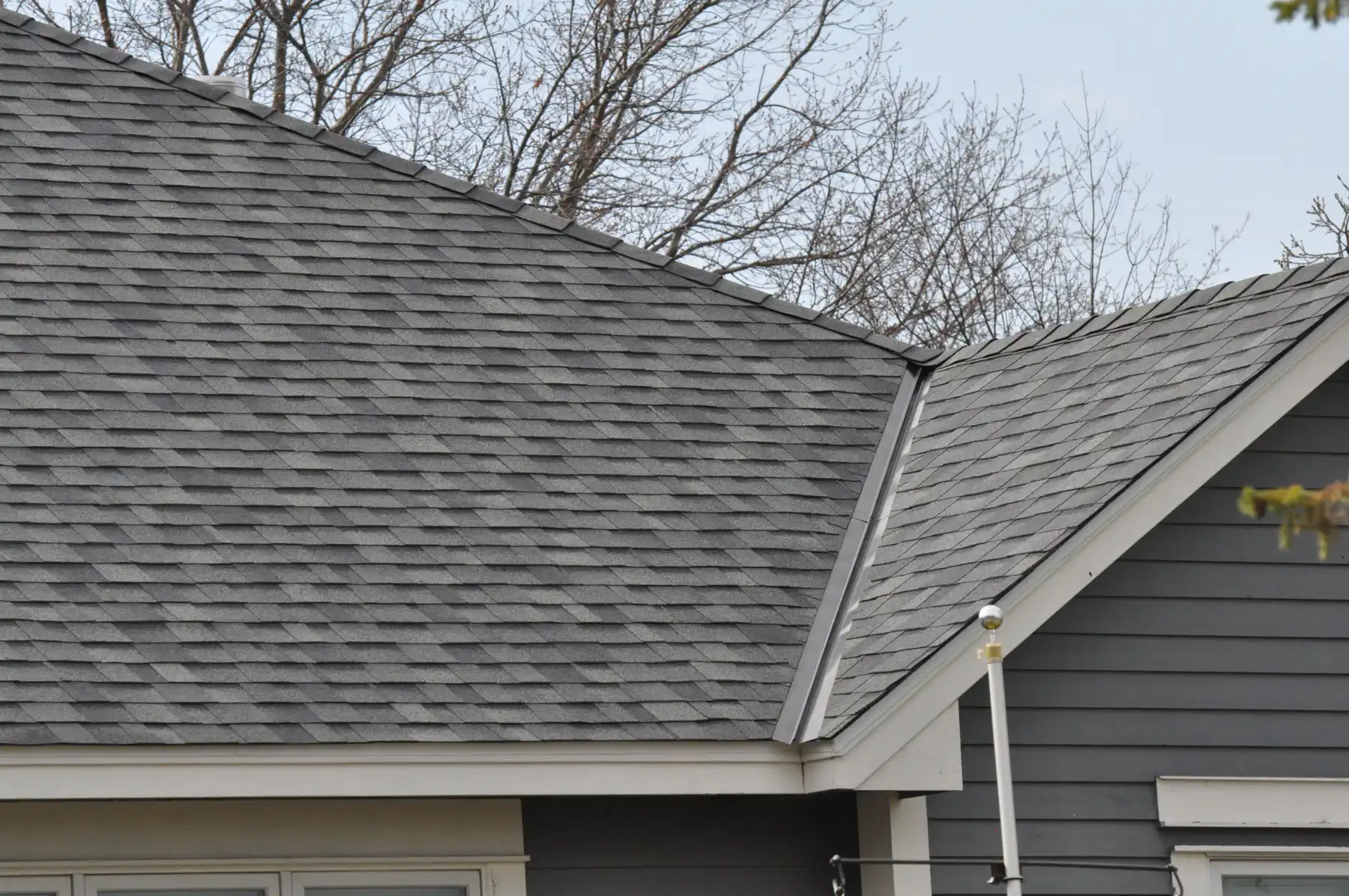
Fascia is one of those parts of a home that most people see every day without knowing what it's called. Running along the edge of the roof directly behind the gutters, fascia creates the finished transition between your roof, soffit, and exterior. But fascia isn't simply decorative trim.
Its location puts it at an important, and vulnerable, part of your home's exterior. Your roof sheds water above it, gutters are commonly attached to it, and the board itself is exposed to changing temperatures and moisture. When something goes wrong with the roof edge or gutter system, fascia is often one of the first places damage appears.
Understanding what fascia does, how it should be protected, and what causes it to deteriorate can help homeowners catch problems before they spread to other parts of the home.
What Is a Fascia Board?
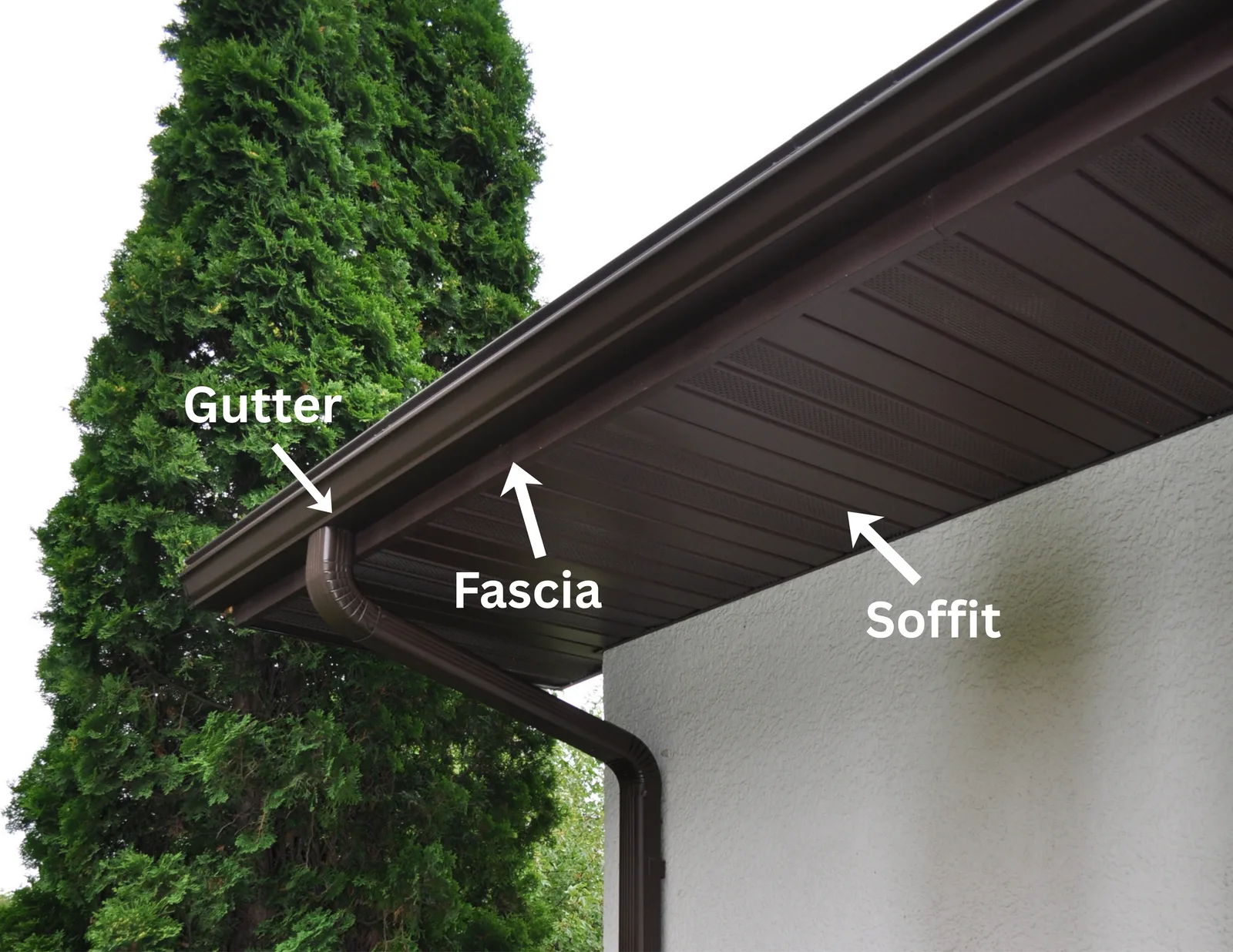
The fascia board is the vertical finishing board located along the lower edge of a roof. On many homes, it's the surface directly behind the gutter.
Fascia creates a clean, finished roofline while covering and protecting the ends of the roof framing. Depending on the home's construction, it can also provide the surface where gutter hangers are secured.
Because fascia sits at the intersection of several exterior systems, its condition can tell you a lot about what's happening around the roof edge.
A deteriorated fascia board, for example, may not simply be an old piece of wood. It can be a clue that water isn't being managed correctly somewhere above or around it.
What Does Fascia Actually Do?
Fascia serves several purposes at the roof edge.
It Creates a Finished Roofline
Without fascia, portions of the roof framing would remain visible from the exterior. Fascia creates the straight, finished edge you see beneath the roof.
It Helps Protect the Roof Edge
Fascia helps close off the end of the roof assembly from direct exposure to weather, debris, insects, and animals.
It Supports the Gutter System
On many homes, gutter hangers are fastened through the fascia and into appropriate structural backing. That makes the condition of the fascia especially important to gutter stability. If the wood behind a gutter becomes severely deteriorated, fasteners may begin losing their ability to hold securely.
💡 Weatherguard Expert Insight
When we find a gutter pulling away from a home, we don't just look at the gutter. The fascia behind it also needs to be evaluated. Sometimes the problem is a loose hanger. Other times, deteriorated wood is no longer providing a solid attachment point.
Fascia vs. Soffit: What's the Difference?
Fascia and soffit are often mentioned together, but they're two different components. Fascia is vertical. It runs along the face of the roof edge and is usually located behind the gutter.
Soffit is horizontal. It's located underneath the roof overhang between the exterior wall and fascia.
Soffits may also contain ventilation openings that allow fresh air to enter the attic as part of a properly designed roof ventilation system. Together, fascia and soffit create the finished transition between your home's walls and roof.
What Are Fascia Boards Made From?
PVC and composite trim products are common in exterior systems such as fascia, rakes, and window or door surrounds. Cellular PVC and engineered trims (including LP SmartSide and fiber‑cement options) resist moisture, decay, and insects and, when finished correctly, maintain a clean appearance with minimal maintenance.
They also have manufacturer‑specific installation requirements. Typical details include using stainless or hot‑dip galvanized fasteners (often screws for PVC), predrilling near ends, allowing for thermal expansion and contraction with prescribed gaps or slotted holes, maintaining clearances from grade and roofing, sealing or finishing cut edges as directed, and following paint color/LRV limits on PVC. Adhering to these guidelines protects appearance, performance, and warranty coverage.
Fascia can be constructed from several different materials, and what you find on a home often depends on its age, construction, exterior materials, and previous renovations.
Wood Fascia
Wood has traditionally been one of the most common fascia materials. When properly installed, finished, and protected from moisture, it can provide a durable roof edge. Its primary weakness is prolonged moisture exposure. Once paint or another protective finish fails, or water repeatedly reaches the wood, decay can begin.
Aluminum-Wrapped Fascia
Many homes have wood fascia covered with formed aluminum, sometimes called fascia wrap or fascia metal.
The aluminum provides a low-maintenance finished surface and protects the wood beneath from direct weather exposure. However, the presence of aluminum doesn't guarantee that the wood underneath is healthy. If water gets behind the metal, deterioration can sometimes remain hidden until the fascia is opened during another project.
PVC and Composite Fascia
PVC and composite trim products are also used in some exterior systems. These materials offer strong resistance to moisture and decay but have their own manufacturer-specific installation requirements, including considerations for fastening and expansion.
Material | Primary Advantage | Main Consideration |
|---|---|---|
Wood | Traditional and repairable | Must remain protected from moisture |
Aluminum-Wrapped Wood | Low-maintenance exterior | Can conceal deterioration underneath |
PVC | Highly moisture resistant | Requires proper installation for movement |
Composite | Durable and low maintenance | Performance varies by product |
Why Do Fascia Boards Rot?
Fascia rot is usually a moisture problem.Wood doesn't typically deteriorate simply because it's old. Decay develops when wood remains wet long enough for fungi to break down its fibers. Because fascia sits directly below the roof edge and behind the gutter, several different problems can expose it to repeated moisture.
Overflowing or Clogged Gutters
When gutters can't drain properly, water can spill over the front or back of the system. Water repeatedly running behind the gutter can soak the fascia and eventually damage the wood.
Improper Gutter Pitch
A gutter without enough slope may hold standing water instead of directing it efficiently toward the downspout. Low spots and recurring overflow can expose sections of fascia to moisture.
Roof-Edge or Flashing Problems
Water should travel from the roofing surface into the gutter without reaching vulnerable wood components. Problems involving roof-edge details, flashing, or drainage can allow water to reach areas that are intended to remain dry.
Failed Paint or Finish
Unwrapped wood fascia relies on a protective exterior finish. Peeling, cracking, or deteriorated paint can expose the wood underneath to rain and moisture.
Ice and Snow
In colder climates, snowmelt and ice can expose the roof edge to prolonged moisture. Existing drainage problems can become particularly noticeable during freeze-thaw cycles.
💡 Weatherguard Expert Insight
Replacing rotten fascia without identifying the source of the moisture only addresses part of the problem. When fascia deterioration is discovered, the surrounding roof edge, gutters, and drainage details should also be evaluated so the new material isn't exposed to the same conditions.
Signs Your Fascia May Be Damaged
Fascia damage isn't always obvious, especially when gutters or metal wrap cover much of the board. There are, however, several warning signs homeowners can look for from the ground.
These include:
Peeling or bubbling paint
Dark staining or discoloration
Soft or crumbling wood
Visible cracks or splits
Gutters pulling away from the roofline
Sections of fascia that appear uneven
Signs of insects or animals entering the roof edge
Persistent water marks beneath the gutter
A single cosmetic issue doesn't necessarily mean the fascia needs replacement. Peeling paint, for example, may only require surface preparation and refinishing if the wood underneath remains sound. Soft, deteriorated wood is a different concern and should be evaluated.
Repairing vs. Replacing Fascia
Not every fascia problem requires replacement.
If the board remains structurally sound and the problem is limited to peeling paint or minor surface deterioration, cleaning, preparation, sealing, and repainting may be appropriate.
Once wood has become soft, extensively cracked, or rotten, however, covering it with paint or aluminum doesn't restore its structural integrity. The damaged material generally needs to be removed so the extent of deterioration can be evaluated.
Replacement may involve a small section of fascia or a longer portion of the roofline depending on how far the damage extends.
The most important step is determining why the damage occurred before installing the replacement material.
How Fascia and Gutters Work Together
Fascia and gutters are closely connected. On many homes, gutter hangers pass through the fascia into structural backing. If the attachment area is solid, the gutter can remain securely positioned while carrying significant amounts of rainwater.
If the fascia or underlying attachment point deteriorates, the gutter may begin sagging or pulling away. The relationship works in the other direction as well. A poorly performing gutter can contribute to fascia deterioration if water repeatedly spills behind it. That's why recurring gutter problems shouldn't always be treated as isolated gutter problems.
What Happens If Damaged Fascia Is Found During a Roof or Gutter Project?
Fascia damage isn't always visible before construction begins.
Gutters can hide portions of the board, and aluminum fascia wrap can conceal the wood underneath. In some cases, the extent of deterioration only becomes clear after gutters, trim, or roofing components are removed.
If damaged fascia is discovered during a project, the contractor should determine how extensive the deterioration is and whether the underlying framing has also been affected.
Repairing the damaged material before installing new gutters or completing roof-edge details provides a solid surface for the new system and prevents deteriorated wood from simply being covered back up.
Homeowners should also ask what caused the deterioration so the source of the moisture can be corrected as part of the repair.
💡 Weatherguard Expert Insight
Finding fascia damage during construction doesn't necessarily mean something was missed during the initial inspection. Gutters, metal wrap, and other exterior materials can hide the condition of the wood underneath. Sometimes removal is the only way to see the full extent of the damage.
How to Maintain Fascia Boards
Fascia doesn't require complicated maintenance. The most important thing homeowners can do is keep water moving where it's supposed to go.
A few times each year, walk around your home and look at the roof edge from the ground. Pay attention to peeling paint, staining, sagging gutters, or areas that remain wet long after a storm.
Keep gutters and downspouts clear so water can drain properly, and address recurring gutter overflow rather than assuming it's normal during heavy rain.
If you notice deterioration, have the area evaluated before simply repainting or covering it. Surface damage and wood decay require very different solutions.
Final Thoughts
Fascia may look like simple exterior trim, but its location makes it an important part of your roof-edge and drainage system. It sits where the roof, gutters, soffit, and weather all come together.
If fascia begins deteriorating, the most important question isn't simply "How do we replace this board?" It's "Why did it become damaged?"
Identifying and correcting the source of moisture before completing the repair helps protect the replacement material and the surrounding exterior for years to come.