





When it comes to storm damage repair in Bensenville, Illinois, Weatherguard Construction sets the standard. Our experienced crew combines cutting-edge techniques with time-tested craftsmanship to deliver storm damage repair solutions that stand up to everything Illinois weather can throw at them.
From initial consultation to final cleanup, we handle every detail of your storm damage repair project with care and professionalism. Contact our Bensenville office today for your free, no-obligation estimate.
Our Storm Damage Repair Services in Bensenville
Weatherguard offers a complete range of storm damage repair services to homeowners and businesses in Bensenville, Illinois. Our experienced crew handles everything from new installations and full replacements to repairs, maintenance, and emergency storm damage restoration.
- Complete storm damage repair installation and replacement
- Storm damage assessment and insurance claim assistance
- Preventive maintenance and inspection programs
- Emergency repair services with rapid response times
- Energy-efficient storm damage repair and improvements
- Custom storm damage repair solutions for unique properties
Storm Damage Repair in Bensenville
Illinois's severe weather can cause significant damage to your storm damage repair. Hail, high winds, heavy snow, and ice can all compromise the integrity of your home's exterior. Weatherguard Construction provides rapid-response storm damage repair services throughout Bensenville and the surrounding area.
We document all damage thoroughly, work directly with your insurance company, and help you present the documented scope of necessary repairs to your insurer. Our storm damage specialists have restored hundreds of Bensenville homes to like-new condition after severe weather events.
Storm Damage Repair Maintenance and Inspections in Bensenville
Regular maintenance is the key to maximizing the lifespan of your storm damage repair investment. Weatherguard Construction offers comprehensive inspection and maintenance programs designed specifically for Bensenville, Illinois properties. Our trained technicians identify potential issues before they become costly problems.
Schedule your annual storm damage repair inspection with Weatherguard to protect your investment and maintain your home's curb appeal. Early detection of wear, damage, or deterioration can help limit the scope and cost of later repairs.
Premium Storm Damage Repair Materials for Bensenville Homes
The quality of your storm damage repair materials directly impacts long-term performance and value. Weatherguard Construction partners with the industry's most trusted manufacturers to bring Bensenville homeowners the best products available. We'll help you select the ideal option for your home's style, budget, and performance needs.
Every product we install is specifically rated for Illinois's climate conditions, including extreme temperature swings, heavy precipitation, and severe storms. Our manufacturer partnerships often provide enhanced warranty coverage that goes beyond standard consumer packages.
Why Homeowners Choose Weatherguard Construction
With decades of combined experience across Minnesota, Illinois, and Colorado, Weatherguard Construction has built a reputation for excellence in residential exterior services. Our licensed, bonded, and insured team delivers workmanship that stands the test of time. We use only premium materials from trusted manufacturers and back every project with comprehensive warranties. From the initial consultation through final cleanup, our project managers ensure a seamless experience that exceeds expectations.
Protecting Chicagoland Homes
The greater Chicago area experiences severe weather year-round, from summer hailstorms to winter ice storms. Weatherguard's Illinois team specializes in impact-resistant materials and installation techniques designed to withstand the Midwest's toughest conditions. Our familiarity with local building codes in Cook, DuPage, and Lake counties ensures every project meets or exceeds requirements while maximizing your home's protection.
Late-July 2026 Severe Weather Near DuPage: What It Means for Bensenville Homes
Bensenville sits just east of the July 29, 2026 storm corridors that produced a severe tornado near Wheaton and 2-inch hail near Oak Brook. Those cells tracked across central DuPage County on a classic west-to-east path that frequently sweeps toward the O’Hare corridor and the Irving Park Road (IL‑19) spine through Bensenville. Even if hailstones weren’t as large by the time they reached your block, smaller hail and straight-line gusts commonly fan out ahead of these cores and can bruise shingles, dent aluminum gutters, and loosen siding.
Two days earlier, severe storms with 60 mph winds were recorded near Cook County on July 27. When that kind of outflow clips Bensenville, the first damage usually shows up on roof edges facing west and southwest, detached garages, and older three-tab shingles common on mid-century homes. After weeks like this, a careful exterior check is smart even if there’s no obvious leak yet.
- Look along the York Road and Irving Park Road corridors for shingle edges lifting or missing tabs where wind funnels between buildings.
- Scan gutters and downspouts for fresh dings or paint rubs—often the first signs of hail, even when shingles look “okay” from the ground.
- Check garage roofs and shed roofs; their lower slopes and older materials tend to show hail bruising and wind crease lines first.
- Inspect window screens and aluminum trim for pitting, which can confirm a hail path came through your block.
Bensenville Micro‑Exposures: White Pines, Redmond Park, and the Salt Creek Corridor
Local landscape features shape how storms hit Bensenville. Homes bordering White Pines Golf Club and the open fields around Redmond Park sit in broad fetches where wind can accelerate with fewer windbreaks. That extra exposure often translates to lifted ridge caps, creased shingles on west-facing slopes, and dents in soft metals like gutters and window wraps.
Along the Salt Creek corridor and low-lying pockets west of downtown, fast-moving fronts frequently channel gusts between tree stands. Mature oaks and maples are an asset most of the year, but in severe weather they add limb-fall risk and can pepper shingles with small impact marks that don’t leak immediately. Near the Metra Milwaukee District West Line and the downtown grid, closely spaced homes can be shielded from some hail, yet swirling winds in alleyways and side yards may pull at soffit panels and vinyl siding seams.
For homeowners near York Road and along IL‑19, traffic-facing elevations take the brunt of prevailing winds. Look closely at:
- Starter shingles and drip-edge on street-facing eaves, where wind-driven rain can work under loosened edges.
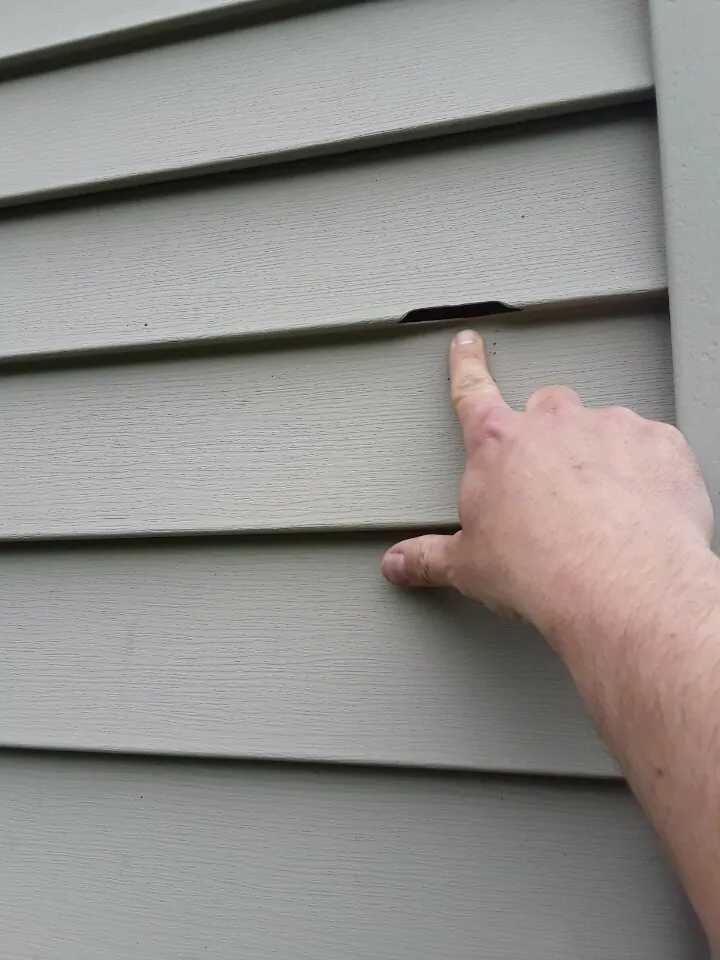
- Corner posts and J‑channels on vinyl siding; wind eddies around corners are common separation points after a warning-level event.
- Gutter spikes or hidden-hanger screws backing out on long runs—especially over front porches where downpours off open parkland can overwhelm small outlets.
Typical Bensenville Homes and Where Storm Wear Shows First
Bensenville’s housing stock is rich in post‑war ranches and split‑levels, Cape Cods and bungalows, plus townhome clusters near transit and arterial streets. Each style has predictable storm touchpoints under DuPage County’s severe weather pattern:
- Mid‑century ranches and split‑levels: Many still carry layered asphalt roofs or older three‑tab shingles. Expect wind creases along broad west slopes, granule wash in gutters after hail, and aged pipe boot cracks that become leak paths after high wind.
- Brick bungalows and Cape Cods: Steeper front slopes shed water well, but dormer sidewalls and step flashing are frequent leak sources when storms drive rain horizontally. Check chimney counter‑flashing and mortar caps after a week with multiple warnings.
- Townhomes near the Irving Park corridor and downtown: Shared walls reduce wind on interiors, but end units take concentrated gusts. Vinyl siding clapboards can unlock at mid‑wall; ridge vents and cap shingles on end units deserve a close look.
- Detached garages: Often roofed years before the house, they’re the canary in the coal mine after hail. Fresh, dark “bruises,” soft spots under granules, or a sudden burst of shingle granules at the garage downspout are common clues.
Windows and trim also tell the story. Aluminum-clad frames and fascia show hail dimples readily; wood trim can swell and peel after wind‑driven rain. Gutters beneath large street trees collect seed pods and shingle granules after storms, which raises overflow risk on the next downpour. A quick clean‑out and a check of outlets at the bottom of downspouts can prevent fascia staining and basement splash‑back.