




When it comes to roofing in Denver, Colorado, Weatherguard Construction sets the standard. Our experienced crew combines cutting-edge techniques with time-tested craftsmanship to deliver roofing solutions that stand up to everything Colorado weather can throw at them.
From initial consultation to final cleanup, we handle every detail of your roofing project with care and professionalism. Contact our Denver office today for your free, no-obligation estimate.
Why Denver Chooses Weatherguard for Roofing
Choosing the right roofing contractor in Denver, Colorado can feel overwhelming. Weatherguard Construction stands apart with our combination of experience, quality materials, and genuine customer care. Every project starts with a thorough inspection and honest assessment — we'll never recommend work you don't need.
Our Denver roofing team holds top certifications from leading manufacturers, which means your project qualifies for the strongest warranties available. We use only premium roofing contractor and roof replacement designed to perform in Colorado's demanding climate.
Our Roofing Services in Denver
Weatherguard offers a complete range of roofing services to homeowners and businesses in Denver, Colorado. Our experienced crew handles everything from new installations and full replacements to repairs, maintenance, and emergency storm damage restoration.
- Complete roofing installation and replacement
- Storm damage assessment and insurance claim assistance
- Preventive maintenance and inspection programs
- Emergency repair services with rapid response times
- Energy-efficient roofing contractor and improvements
- Custom roofing solutions for unique properties
Storm Damage Roofing Repair in Denver
Colorado's severe weather can cause significant damage to your roofing. Hail, high winds, heavy snow, and ice can all compromise the integrity of your home's exterior. Weatherguard Construction provides rapid-response storm damage repair services throughout Denver and the surrounding area.
We document all damage thoroughly, work directly with your insurance company, and help you present the documented scope of necessary repairs to your insurer. Our storm damage specialists have restored hundreds of Denver homes to like-new condition after severe weather events.
Roofing Maintenance and Inspections in Denver
Regular maintenance is the key to maximizing the lifespan of your roofing investment. Weatherguard Construction offers comprehensive inspection and maintenance programs designed specifically for Denver, Colorado properties. Our trained technicians identify potential issues before they become costly problems.
Schedule your annual roofing inspection with Weatherguard to protect your investment and maintain your home's curb appeal. Early detection of wear, damage, or deterioration can help limit the scope and cost of later repairs.
Insurance Claim Assistance
Navigating the insurance claim process after storm damage can be overwhelming. Weatherguard Construction's experienced team works directly with your insurance company to document damage, provide detailed estimates, and ensure you receive fair compensation. We handle the paperwork and communication so you can focus on what matters most. Our storm damage specialists have helped thousands of homeowners successfully navigate the claims process.
High-Altitude Home Protection
Colorado's high altitude brings unique challenges including intense UV exposure, dramatic temperature swings, and severe hailstorms along the Front Range. Weatherguard's Colorado team selects materials rated for high-UV environments and impact resistance. Our crews are experienced with the specific installation requirements that Colorado's climate demands, from proper flashing techniques to adequate ventilation in the thin, dry mountain air.
Late-July 2026 Severe Weather Near Denver: What It Means for Your Roof
The final week of July 2026 brought a cluster of severe-weather alerts across Colorado, including a Severe Thunderstorm Watch near Adams County on 7/28 and a Severe Thunderstorm Warning near Jefferson County on 7/24. That same week, storms produced 2-inch hail and 70 mph winds near Logan County (7/28), with additional severe warnings noted near Larimer (7/22), Grand (7/21), Pueblo (7/27), and Bent (7/23). While these alerts were recorded outside Denver County, cells that form or track nearby can still put Denver homes at risk—especially from wind-driven rain, hail impacts, and loosened flashing.
After a week like this, Denver homeowners can take a few quick, safe steps before calling in a pro:
- Walk the perimeter and look for shingle fragments, fresh granules collecting at downspouts, or denting on soft metals (gutters, downspouts, chimney caps).
- Check ceilings and the attic for new spotting or damp insulation after the next rain—wind can push moisture under otherwise intact shingles.
- Photograph anything new you notice and note the date; it helps build a clear timeline if an insurance claim becomes appropriate.
- Schedule a roof assessment if you heard hail, saw leaves shredded, or noticed neighbors picking up debris—even when your block did not receive a formal alert.
Weatherguard documents roof conditions with photos and written findings that align with Denver County addresses and dates. If storm damage is present, those records help you decide on next steps; if not, you gain a baseline for the season.
Hail- and Wind-Ready Roof Systems for Denver County Homes
Denver homes benefit from roofing choices that stand up to fast-changing summer weather and gusty outflows that often accompany severe cells elsewhere in the region. Weatherguard installs complete roof systems from Owens Corning and can recommend impact-oriented options designed for hail and high winds. Beyond the shingle itself, a resilient system in Denver County also depends on underlayment, flashing, and ventilation working together to resist wind-driven rain and to manage temperature swings between sunny afternoons and cool nights.
- Shingles and starter courses: Selecting an Owens Corning shingle option built for hail resistance, paired with manufacturer-approved starter and hip/ridge components, helps the roof seal as a system against gusts.
- Underlayment and ice/water protection: Self-sealing membranes at eaves, valleys, and around penetrations add a secondary barrier when storms drive rain uphill or sideways.
- Metal flashing and accessories: Properly formed step, counter, and chimney flashing keeps water out when winds lift or redirect runoff. Post-storm, these metal details are common points of failure if a shingle tab has been loosened.
- Balanced ventilation: Adequate intake and exhaust can reduce heat stress on shingles. That balance supports long-term performance after repeated sun–storm cycles common in Colorado summers.
As an Owens Corning Platinum Preferred Contractor with NRCA membership and a BBB A+ rating, Weatherguard aligns installation with manufacturer specifications and recognized best practices. For Denver County homeowners comparing repairs versus full replacement after a rough weather week, a system-focused evaluation prevents patchwork fixes that overlook the vulnerable points storms typically find first.
Working in Denver During Active Storm Weeks
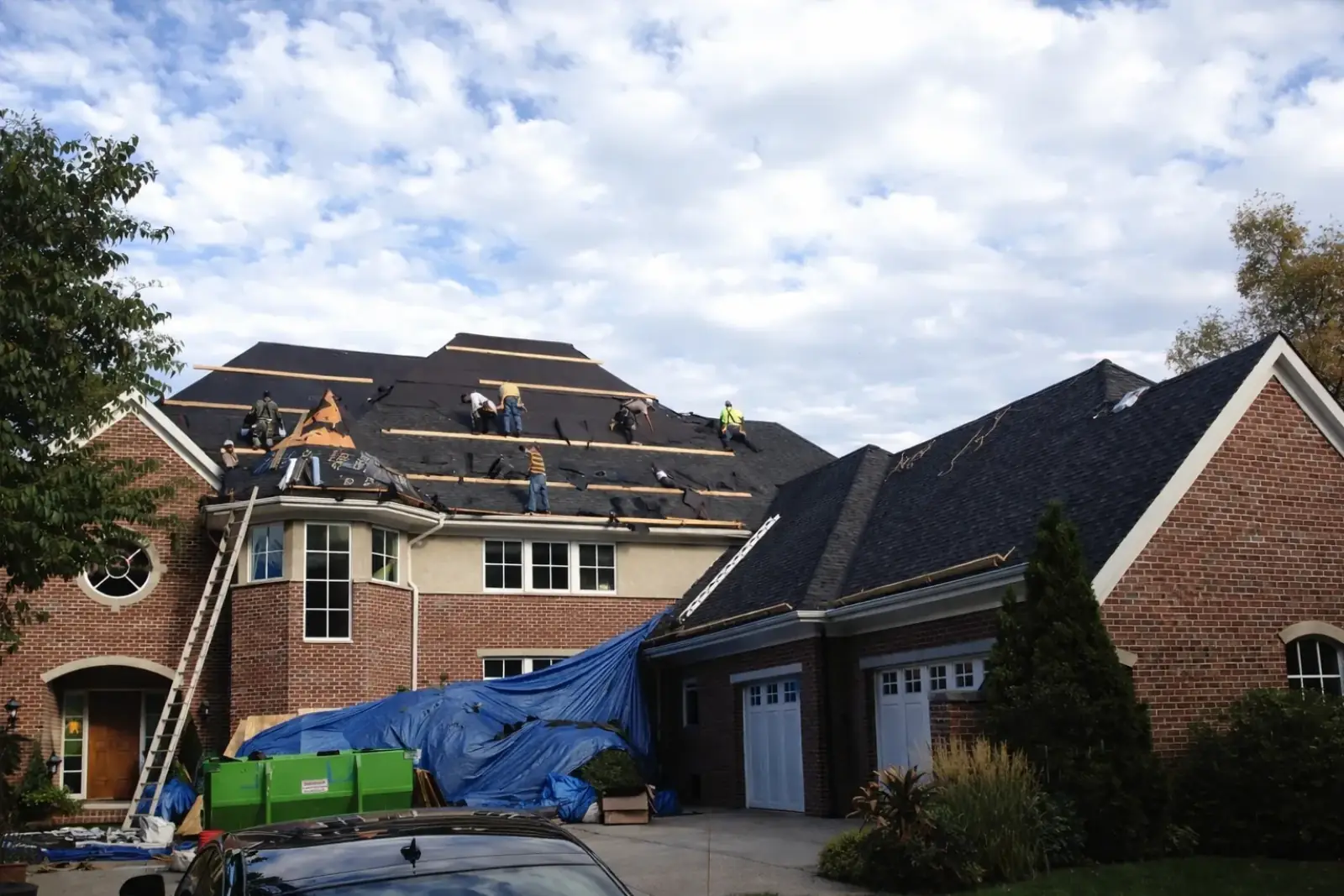
When severe-weather alerts are issued near Denver—such as the Severe Thunderstorm Watch near Adams County on 7/28 or the Severe Thunderstorm Warning near Jefferson County on 7/24—project plans often need same-day adjustments. Weatherguard tracks National Weather Service bulletins throughout the day, sequences tear-offs to protect homes if a fast-moving cell appears on radar, and deploys storm-ready coverings when needed so open decking is never left exposed.
- Real-time staging: Crews prioritize dry-in (underlayment and flashing made watertight) early and keep tarps on hand if pop-up showers form while work is underway.
- Post-storm triage in Denver County: After hail or high winds are reported nearby, Weatherguard shifts to quick inspections for leaks, missing shingles, or punctures, then returns to scheduled projects once immediate needs are addressed.
- Clear communication: Homeowners receive updates if a forecast prompts rescheduling. That prevents rushed work before an approaching line of storms and protects the roof system already in place.
This operational approach reflects how quickly summer weather on Colorado’s Front Range can change course across county lines. Even when the strongest cells are recorded outside Denver County, being prepared to pause, protect, and resume work helps safeguard homes and keeps projects on track.