





Looking for a trusted storm damage repair contractor in Castle Rock, Colorado? Weatherguard Construction has been the go-to choice for homeowners across the region since 2001. We bring unmatched expertise, premium materials, and a customer-first approach to every storm damage repair project — big or small.
Our Castle Rock storm damage repair team is fully licensed, bonded, and insured. We maintain an excellent reputation built on hundreds of successful projects and five-star reviews from satisfied customers throughout Colorado.
Why Castle Rock Chooses Weatherguard for Storm Damage Repair
Choosing the right storm damage repair contractor in Castle Rock, Colorado can feel overwhelming. Weatherguard Construction stands apart with our combination of experience, quality materials, and genuine customer care. Every project starts with a thorough inspection and honest assessment — we'll never recommend work you don't need.
Our Castle Rock storm damage repair team holds top certifications from leading manufacturers, which means your project qualifies for the strongest warranties available. We use only premium storm damage repair and hail damage designed to perform in Colorado's demanding climate.
Storm Damage Repair Maintenance and Inspections in Castle Rock
Regular maintenance is the key to maximizing the lifespan of your storm damage repair investment. Weatherguard Construction offers comprehensive inspection and maintenance programs designed specifically for Castle Rock, Colorado properties. Our trained technicians identify potential issues before they become costly problems.
Schedule your annual storm damage repair inspection with Weatherguard to protect your investment and maintain your home's curb appeal. Early detection of wear, damage, or deterioration can help limit the scope and cost of later repairs.
Our Storm Damage Repair Services in Castle Rock
Weatherguard offers a complete range of storm damage repair services to homeowners and businesses in Castle Rock, Colorado. Our experienced crew handles everything from new installations and full replacements to repairs, maintenance, and emergency storm damage restoration.
- Complete storm damage repair installation and replacement
- Storm damage assessment and insurance claim assistance
- Preventive maintenance and inspection programs
- Emergency repair services with rapid response times
- Energy-efficient storm damage repair and improvements
- Custom storm damage repair solutions for unique properties
Premium Storm Damage Repair Materials for Castle Rock Homes
The quality of your storm damage repair materials directly impacts long-term performance and value. Weatherguard Construction partners with the industry's most trusted manufacturers to bring Castle Rock homeowners the best products available. We'll help you select the ideal option for your home's style, budget, and performance needs.
Every product we install is specifically rated for Colorado's climate conditions, including extreme temperature swings, heavy precipitation, and severe storms. Our manufacturer partnerships often provide enhanced warranty coverage that goes beyond standard consumer packages.
Storm Damage Repair in Castle Rock
Colorado's severe weather can cause significant damage to your storm damage repair. Hail, high winds, heavy snow, and ice can all compromise the integrity of your home's exterior. Weatherguard Construction provides rapid-response storm damage repair services throughout Castle Rock and the surrounding area.
We document all damage thoroughly, work directly with your insurance company, and help you present the documented scope of necessary repairs to your insurer. Our storm damage specialists have restored hundreds of Castle Rock homes to like-new condition after severe weather events.
Planning Your Storm Damage Repair Project in Castle Rock
A well-planned storm damage repair project starts with a documented assessment of the existing conditions at your Castle Rock property. We identify areas that need attention, explain what we observed, and discuss repair or replacement options that fit the scope of the project.
Before work begins, we review material selections, installation details, weather-protection steps, and the written scope with you. Product specifications and installation methods are matched to manufacturer requirements and the conditions found at your Colorado home.
Why Homeowners Choose Weatherguard Construction
With decades of combined experience across Minnesota, Illinois, and Colorado, Weatherguard Construction has built a reputation for excellence in residential exterior services. Our licensed, bonded, and insured team delivers workmanship that stands the test of time. We use only premium materials from trusted manufacturers and back every project with comprehensive warranties. From the initial consultation through final cleanup, our project managers ensure a seamless experience that exceeds expectations.
High-Altitude Home Protection
Colorado's high altitude brings unique challenges including intense UV exposure, dramatic temperature swings, and severe hailstorms along the Front Range. Weatherguard's Colorado team selects materials rated for high-UV environments and impact resistance. Our crews are experienced with the specific installation requirements that Colorado's climate demands, from proper flashing techniques to adequate ventilation in the thin, dry mountain air.
Late-July 2026 Severe Weather Near Castle Rock: What Douglas County Homeowners Should Know
Colorado saw a cluster of severe weather alerts in late July 2026. Recorded events included a severe thunderstorm warning with 2-inch hail and 70 mph winds near Logan County on 7/28, a severe thunderstorm watch near Adams County on 7/28, severe thunderstorm warnings near Pueblo County on 7/27, Jefferson County on 7/24, Bent County on 7/23, Larimer County on 7/22, and Grand County on 7/21. While those alerts named other counties, Castle Rock homeowners often like to double-check their property any time hail or strong winds occur at their address. The quick checks below focus on the exterior systems common to Castle Rock homes.
- Roofing: From the ground with binoculars, look for torn or missing shingles, lifted ridges, and dark “bruises” where granules are crushed. Around penetrations (vents, chimneys), check for bent metal, displaced sealant, or exposed shingle matting. Whether your roof uses impact-rated shingles such as those from Owens Corning or a standard architectural shingle, note anything that looks freshly scuffed or dented.
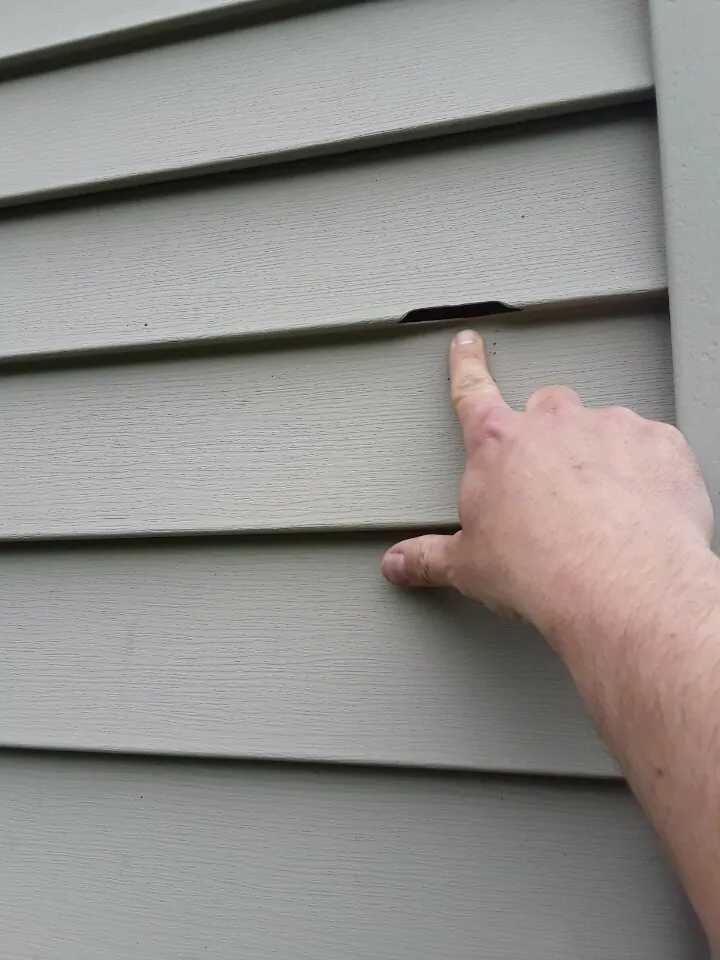
- Siding and trim: Scan lower courses and outside corners for fresh impact marks and hairline cracks. Engineered wood products like LP SmartSide can show edge chipping or divots at trim returns; paint may spider-crack around hits. Soft aluminum wraps on fascia/trim may dent even when siding looks unmarked.
- Windows and doors: Inspect screens, glazing beads, and cladding for dings or tears. Operate a few windows to confirm they open/close smoothly after a wind event; binding can indicate frame racking. Brands frequently seen in Colorado—Pella, Marvin, Kolbe, Andersen—have manufacturer labels in the jambs that can help document model and age for any claim.
- Decks and railings: On composite systems like TimberTech or Trex, check for cap-surface chips, scuffs, or lifted fasteners. On wood, look for fresh splinters at board edges and loosened rail posts after strong gusts.
- Gutters and downspouts: Dents on the front gutter face and elbows are common hail indicators. After the next rain, watch for overflow or new leaks at seams; check downspout discharge areas for excess roof granules.
- Exterior paint: Wind-driven rain can force moisture behind paint at joints; look for new peeling at lap seams and trim joints. Touch any suspicious areas—softness may point to fresh water intrusion.
A 30‑Minute Castle Rock Post‑Storm Walkthrough (Curb to Ridge)
Safety first—stay on the ground and use a camera or binoculars. This fast, Castle Rock-focused walkthrough helps determine whether to call for a professional inspection after a blustery or hail-prone evening elsewhere in Colorado.
- Street and driveway: Note leaf litter, twigs, and any hail stones that remained overnight. Record the date and approximate time you noticed debris—insurers often ask for this when you report a potential loss.
- Perimeter sweep: Walk clockwise around the home. Photograph the same corner from two angles to capture siding, windows, and nearby landscaping in one frame for context.
- Siding focus points: Start at ground level where splash-back is likely, then move up to outside corners and under windows. Lightly run a finger over suspicious marks—hail hits usually feel rough compared to normal wear.
- Windows and doors: Check screens and sill pans for dents or tears. On patio doors, look at the meeting stile and track for new damage; confirm locks still align smoothly after strong winds.
- Decks and stairs: Look at stair stringers, rail post bases, and fascia boards. On TimberTech or Trex boards, hairline cap cracks or lifted hidden fasteners may appear after impact; take close-up photos with a coin or tape for scale.
- Gutters and downspouts: Sight down the gutter line for fresh waves or dings. Place a light-colored rag where a downspout discharges during the next shower—excess shingle granules will collect and help indicate roof wear from recent weather.
- Roof from the ground: From two opposite corners, scan the ridge, hips, and valleys. Look for a few shingles that sit differently than neighbors (lifted edges, fresh creases) and for metal damage on vents or flashing—often the first place hail leaves clear evidence.
- Interior spot-check: In the attic or on second-floor ceilings, look for new water spots after the next rain. A pencil circle and date around any mark helps track changes if you need to escalate.
Castle Rock Documentation and Timing When Nearby Counties See Warnings
When Colorado lights up with severe weather alerts—even if Douglas County is not specifically listed—good documentation from your Castle Rock address makes all the difference. If you experienced hail or high winds at your home, organize notes and photos right away so any contractor or insurer can review a clear timeline.
- Log the date and approximate time you noticed weather at your address; the late-July 2026 alerts across Logan (7/28), Adams (7/28), Pueblo (7/27), Jefferson (7/24), Bent (7/23), Larimer (7/22), and Grand (7/21) can help jog memory when building your notes.
- Photograph entire elevations first, then close-ups of damage with a ruler or coin for scale. Keep any dislodged materials (shingle fragments, dented downspout sections) if safe to do so.
- Note wind direction if known (e.g., debris pattern on one elevation). After the next rainfall, recheck suspect areas and update photos to document active leaks versus cosmetic marks.
- Request a written exterior assessment from a qualified contractor. Weatherguard can evaluate roofing, siding, windows, decks, gutters, and paint and provide a clear summary you can share with your insurer.