
If you're planning a roof replacement, one of the first decisions you'll make is choosing the right roofing material. With options like metal, cedar shake, slate, synthetic roofing, and asphalt shingles available, it's natural to wonder which one is best for your home.
For most homeowners, asphalt shingles remain the top choice—and for good reason. They offer an excellent balance of affordability, durability, curb appeal, and long-term performance, making them the most commonly installed residential roofing material in North America.
But are they the right choice for your home?
For an in depth dive on asphalt shingles, check out our project guide: The Complete Homeowner's Guide to Asphalt Roofing
Why Homeowners Choose Asphalt Shingles
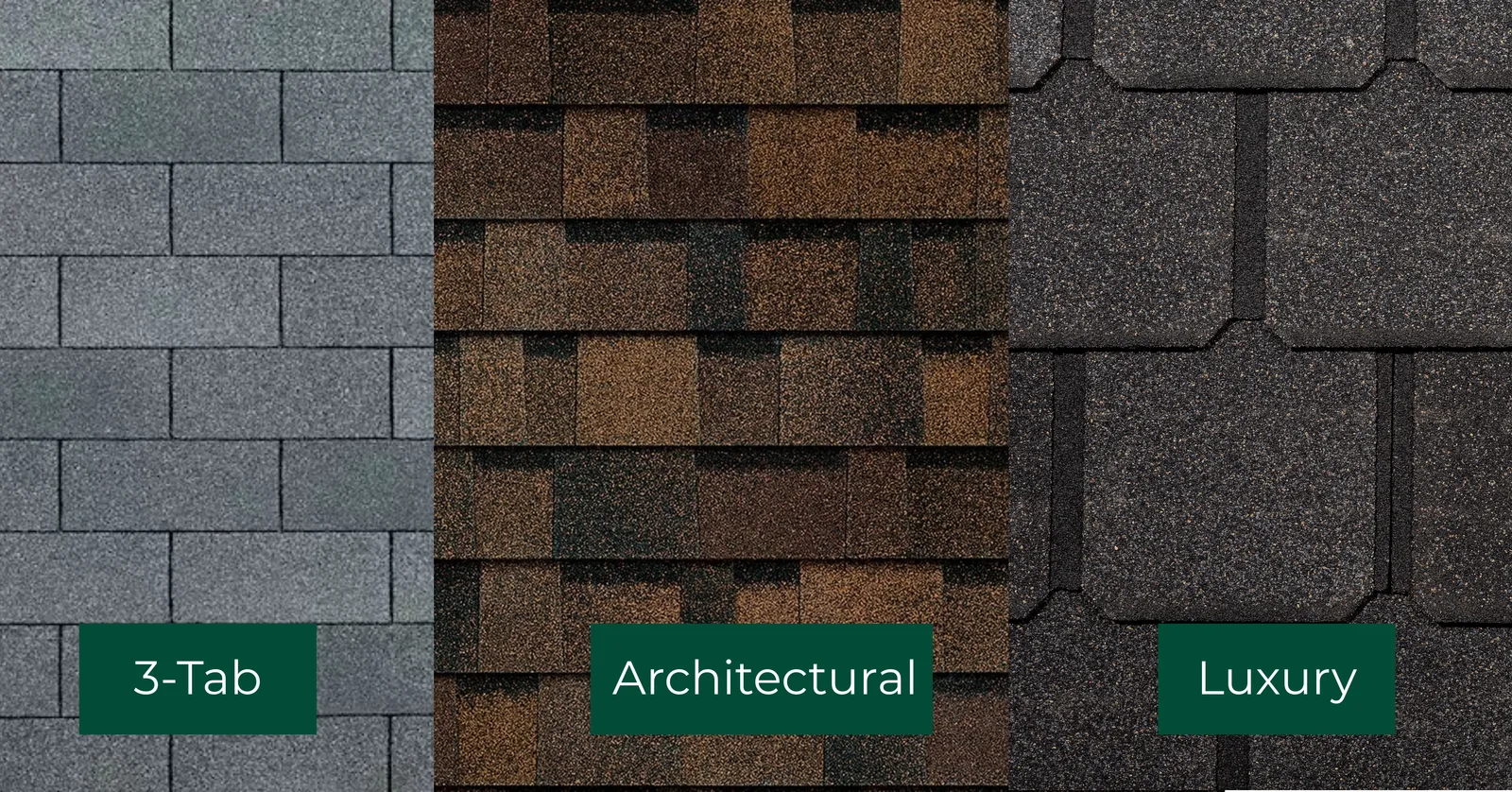
Asphalt shingles have evolved significantly over the past few decades. Today's architectural shingles are thicker, more durable, and more attractive than the traditional 3-tab shingles found on many older homes. Manufacturers now offer dozens of color options, improved wind resistance, enhanced algae protection, and products designed for specific climates.
Another advantage is versatility. Asphalt shingles complement nearly every architectural style, whether you own a traditional ranch, craftsman, colonial, farmhouse, or modern custom home. They're also available at a wide range of price points, allowing homeowners to choose a roofing system that fits both their home's appearance and their budget.
Pros of Asphalt Roofing Shingles
There are several reasons asphalt shingles continue to be the most popular residential roofing material:
Excellent value for the investment
Wide variety of colors and styles
Compatible with nearly every home design
Proven performance in a variety of climates
Easier and more cost-effective to repair than many premium roofing materials
Available in architectural and luxury options to fit different budgets and aesthetic goals
For many homeowners, architectural shingles provide the ideal balance between appearance, durability, and cost.
Potential Drawbacks
Like every roofing material, asphalt shingles aren't perfect.
Depending on the product selected, they generally don't last as long as premium materials such as natural slate or some metal roofing systems. They can also be susceptible to hail, high winds, and aging over time, particularly if they're installed improperly or if the roof lacks adequate ventilation.
It's also important to remember that the quality of the installation is just as important as the shingles themselves. Even premium roofing products may not perform as intended if they're installed incorrectly or if other components of the roofing system are overlooked.
How Your Roof Protects Your Home
Most homeowners think of shingles as simply keeping rain out, but they perform several important jobs at the same time.
A properly installed asphalt shingle roof is designed to shed rain and melting snow, resist wind uplift, protect the roof deck from ultraviolet (UV) rays, and provide the first layer of defense against the weather. Each shingle overlaps the one below it, allowing gravity to carry water safely toward the gutters instead of allowing it to penetrate the roof.
This is why replacing a few damaged shingles after a storm can be so important. Even a small area of damage may allow water to reach the roofing materials beneath if left unrepaired.
How Climate Affects Performance
One of the reasons asphalt shingles remain so popular is their ability to perform in a wide range of climates.
In Minnesota and Wisconsin, roofs must withstand freezing temperatures, snow accumulation, ice, and repeated freeze-thaw cycles. In Illinois, they experience everything from summer heat and heavy rain to strong winds and hail. Colorado presents another unique challenge with intense ultraviolet exposure and frequent hailstorms.
Modern asphalt shingles are engineered to perform in these changing conditions, but selecting the right product—and ensuring it's installed correctly—plays an important role in how well the roof performs over time.
How Your Roof Protects Your Home
Most homeowners think of shingles as simply keeping rain out, but they perform several important jobs at the same time. A properly installed asphalt shingle roof is designed to shed rain and melting snow, resist wind uplift, protect the roof deck from ultraviolet (UV) rays, and provide the first layer of defense against the weather. Each shingle overlaps the one below it, allowing gravity to carry water safely toward the gutters instead of allowing it to penetrate the roof.
This is why replacing a few damaged shingles after a storm can be so important. Even a small area of damage may allow water to reach the roofing materials beneath if left unrepaired.
Don't Forget About Maintenance
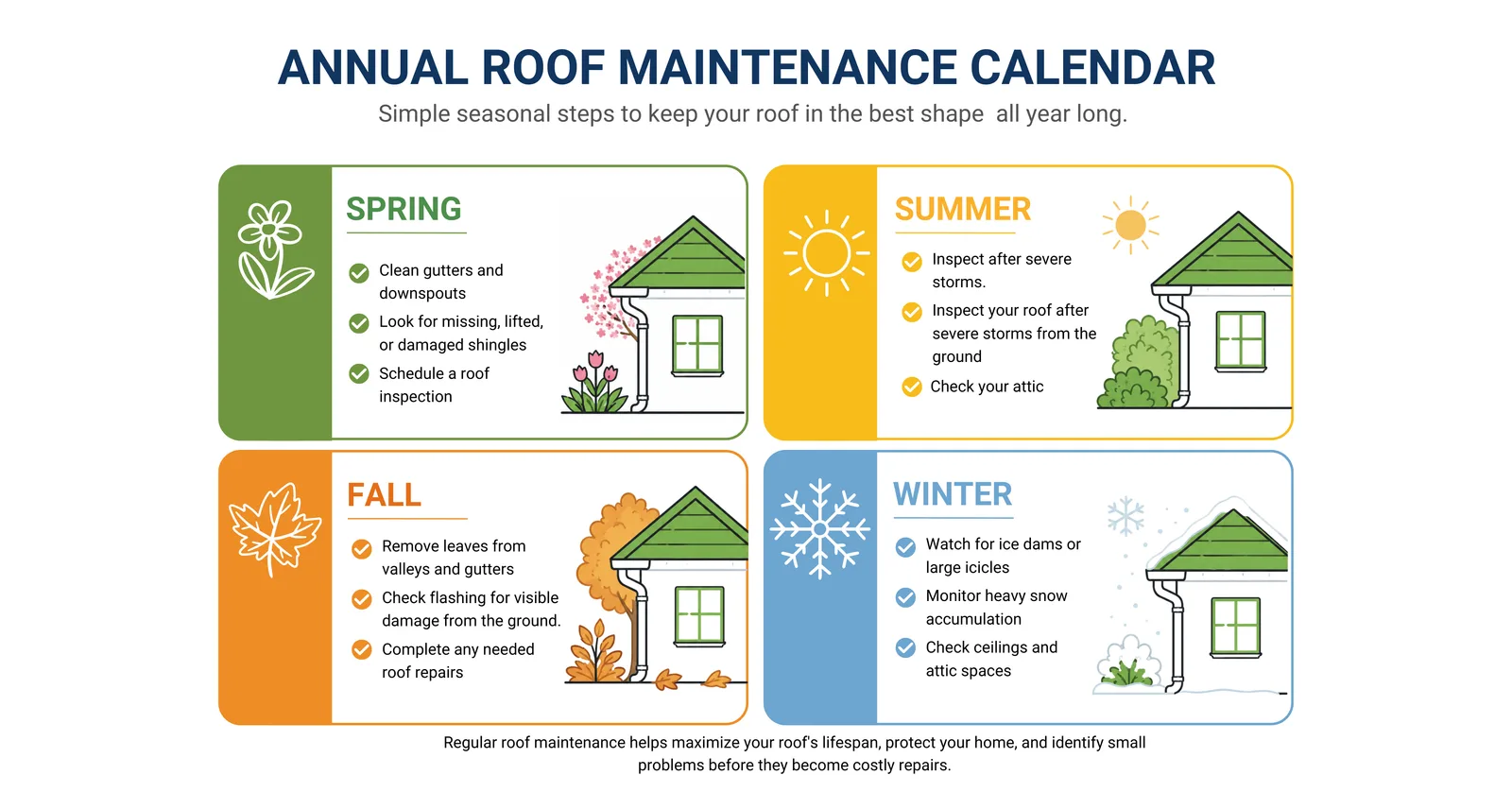
One of the biggest advantages of asphalt shingles is that they require relatively little maintenance. A simple visual inspection a few times each year, keeping gutters clean, trimming overhanging tree branches, and scheduling inspections after major storms can go a long way toward maximizing the life of your roof.
Many roofing issues begin as small problems that aren't visible from inside the home. Identifying them early can often prevent more extensive damage and costly repairs later.
Learn More Before You Replace Your Roof
Choosing a new roof is a significant investment, and understanding your options can help you make a more confident decision.
If you'd like to learn more about how asphalt shingles are manufactured, the different types available, roofing technologies, maintenance tips, and what influences long-term performance, we invite you to read our The Complete Homeowner's Guide to Asphalt Roofing.
It's a comprehensive resource designed to help homeowners understand one of the most important systems protecting their home before making a roofing decision.


